
American River Striper Fishing: Your Complete Season Guide
By Bobby Harris — Navy FMF Corpsman (2002–2010), founder of First Rise Outfitters
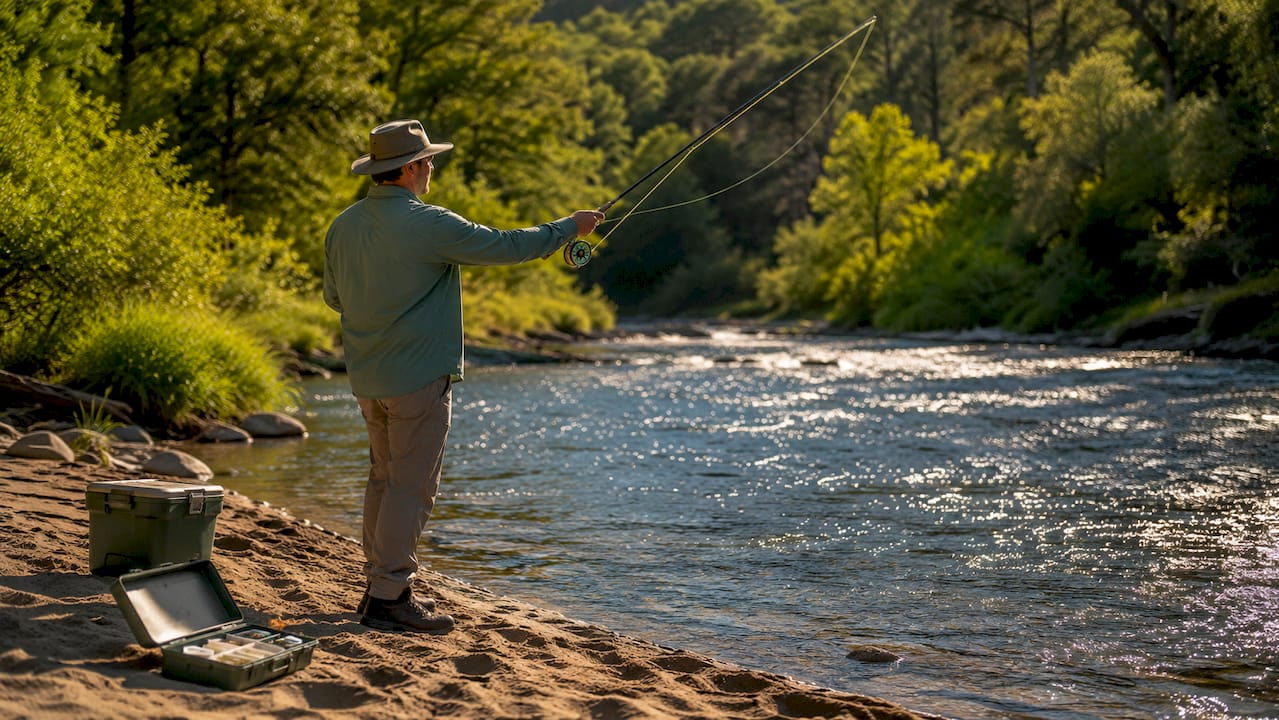
American River striper fishing is defined by one core pattern: striped bass follow American shad migrations up the lower river each spring, creating one of California’s most accessible urban fisheries. The lower American River spans roughly 20 miles from the Sacramento River confluence upstream to Nimbus Dam, and that stretch is where the action concentrates. The California Department of Fish and Wildlife manages this fishery closely, and understanding its seasonal windows separates anglers who consistently land fish from those who go home empty-handed. Get the timing right, and you will find stripers stacked and feeding hard.
What are the best spots and seasons for American River striper fishing?
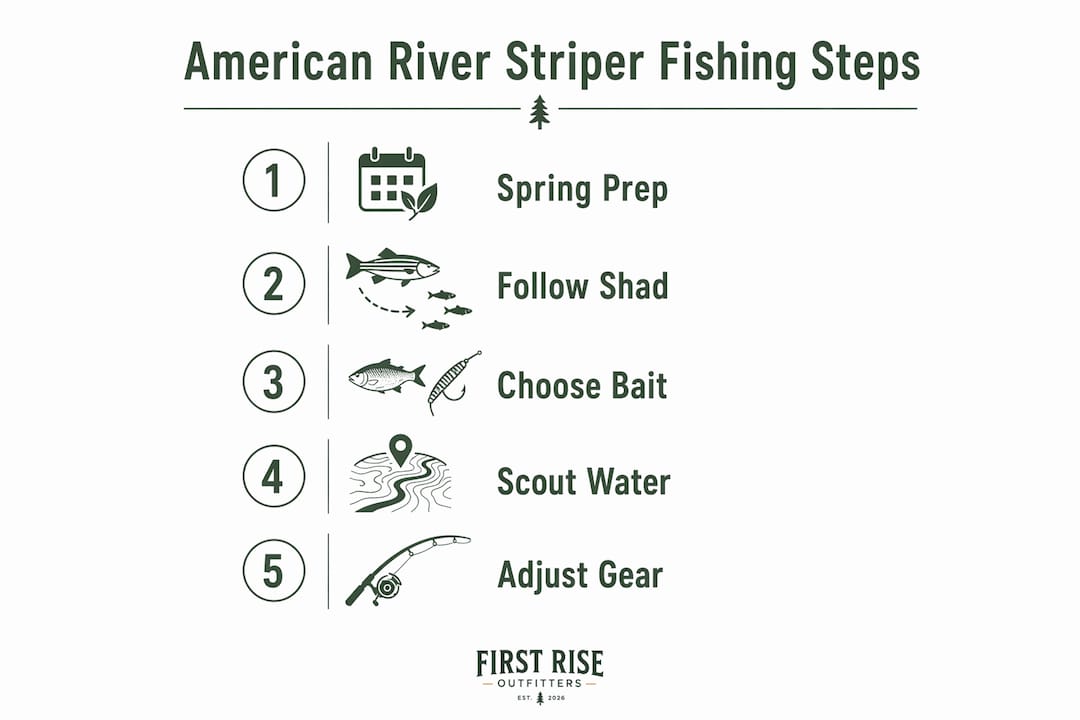
The single best time to target stripers on the American River is spring, from april through june, when American shad spawn upstream and stripers follow close behind. This migration is the engine of the entire fishery. Without the shad run, the stripers have little reason to push this far into the river system.
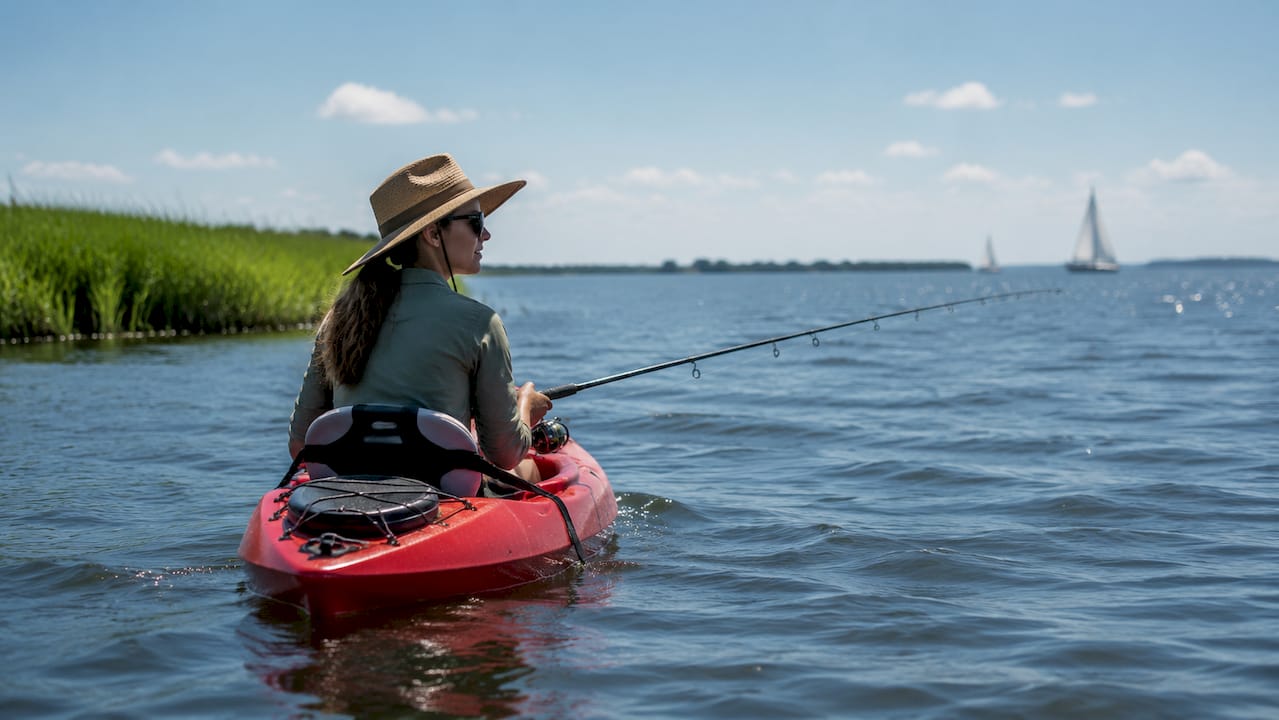
The American River divides into two distinct fishing zones. The upper river holds native trout and is best suited for fly fishing. The lower river, flowing 25 miles from Lake Natoma down to the Sacramento River, is where striped bass dominate. Think of the lower stretch as striper country and the upper stretch as trout territory.
Key access points on the lower American River:
- American River Parkway — the most popular shore fishing corridor, with multiple pull-offs and trail access
- Highway 50 bridge area — reliable structure nearby and easy parking
- Hazel Avenue — strong mid-river access, good for both shore and kayak launch
Shore fishing works well at all three spots, but boat and kayak anglers reach the most productive water. Steep, brushy banks loaded with submerged roots and overhanging branches are where stripers ambush prey, and most of that habitat is only reachable from the water.
Summer fishing shifts in character. The shad run winds down, but resident stripers stay in the lower river near structure. Juvenile steelhead smolts also move through in summer, giving stripers another food source. Expect slower, more deliberate fishing compared to the spring blitz.
Pro Tip: Scout the river a few days before you fish. If you see shad rolling near the surface or birds working the water, stripers are almost certainly below them.
What are the most effective baits and lures for American River stripers?
Live bait is the most reliable option for striped bass, and during the spring migration, nothing beats live American shad. Stripers feed heavily on male shad during the spawning run, so matching that forage is the fastest path to a hookup. Other proven live baits include bunker, herring, and eels, all of which work well when shad are not available.
Locating baitfish schools is the single most important skill you can develop. Trophy stripers concentrate almost exclusively near primary forage, so fishing away from bait activity drastically cuts your odds. Watch for surface disturbances, diving birds, and shad flipping near the banks.
Top artificial lures for American River stripers:
- Topwater plugs and pencil poppers — deadly during low-light periods at dawn and dusk
- Swimbaits — mimic shad profile well; work them slow and steady near structure
- Bucktail jigs — versatile for drifting and jigging near the bottom
- Soft plastics — paddle tails on a weighted hook cover water fast
- Metal spoons — pencil poppers and metal spoons produce trophy fish when worked through feeding schools
For rigging live bait, circle hooks are the right call. Circle hooks reduce gut-hooking significantly and are legally required in many states. They also make catch-and-release far more effective, which matters in a fishery this popular.
Pro Tip: Work topwater lures parallel to steep banks during the first 30 minutes of daylight. Stripers push baitfish against the bank at dawn, and that window produces some of the most explosive surface strikes you will ever see.
How do water conditions and timing affect striper behavior?
Striped bass prefer deep, cool, and clean water. Warm or turbid conditions irritate their gills and cause them to go lethargic or move to deeper, slower water. This is why summer fishing on the American River requires a different approach than spring fishing.
Water flow from Folsom Lake and Nimbus Dam directly affects fish location. High releases push stripers downstream and concentrate them near the confluence. Low, clear flows in late summer make fish spooky and harder to approach. Check the Bureau of Reclamation’s flow data before you head out.
Conditions that improve your odds:
- Early morning and late afternoon — feeding activity peaks during low-light windows
- Night fishing — summer nights produce big fish near structure when daytime heat shuts down surface activity
- Tidal influence — tidal movements from the Sacramento River push into the lower American River and trigger feeding bursts
- Post-stocking windows — CDFW stocking reports identify hotspots where stripers congregate after hatchery releases
Water clarity also drives lure selection. Clear water calls for natural colors and smaller profiles. Stained water allows you to go bigger and brighter, since stripers rely more on vibration and contrast to locate prey.
Monitoring the California Department of Fish and Wildlife stocking schedule pays off. Hatchery releases create hotspots where predatory stripers stack up and feed aggressively, often for several days after a release event.
What gear and techniques work best for catching stripers in the river?
The right setup makes a real difference when you are fishing structure-heavy water. A medium-heavy rod in the 7 to 8 foot range gives you the backbone to pull fish away from submerged logs and roots. Pair it with a quality baitcasting or spinning reel loaded with 15 to 20 lb braided line. Braid transmits strikes clearly and handles abrasion better than monofilament in snaggy water.
- Leader setup — use a 24 to 36 inch fluorocarbon leader in 20 to 30 lb test. Fluorocarbon is nearly invisible underwater and resists abrasion from rocks and wood.
- Live bait rig — hook live shad or herring through the nose or back on a circle hook. Let the bait swim naturally with minimal weight near structure.
- Jigging near structure — drop a bucktail jig to the bottom and work it with short hops. Summer stripers feed lazily near structure, so slow presentations often outperform fast retrieves.
- Trolling during migrations — trolling swimbaits or deep-diving plugs along the main channel covers water fast and locates actively moving fish.
- Topwater fishing — cast parallel to steep banks at dawn with a pencil popper. Walk the dog retrieve triggers reaction strikes from stripers pinning bait against the bank.
Boat or kayak access opens up miles of steep shoreline that shore anglers simply cannot reach. If you fish from a kayak, a 10 to 12 foot sit-on-top model gives you the stability to fight big fish without tipping. Always check your leader for nicks and frays after every fish or snag. A compromised leader costs you the fish of the day.
Pro Tip: Carry a headlamp and a spare spool of leader material for night sessions. Abrasion from structure is constant in the dark, and re-rigging by feel without a light is a frustrating way to lose your best fishing window.
Key Takeaways
Successful American River striper fishing requires matching your timing to the shad migration, targeting structure-heavy lower river habitat, and selecting bait or lures that match the forage fish stripers are actively chasing.
| Point | Details |
|---|---|
| Follow the shad migration | Spring (april–june) is peak season; stripers stack up chasing shad in the lower 20-mile stretch. |
| Target structure near steep banks | Boat or kayak access reaches brushy, root-laden banks where stripers ambush prey. |
| Match your bait to conditions | Live shad dominates in spring; bucktail jigs and swimbaits produce in summer near structure. |
| Fish low-light windows | Early morning, late afternoon, and night sessions outperform midday fishing, especially in summer. |
| Monitor CDFW stocking reports | Post-stocking windows concentrate stripers and create short-term hotspots along the lower river. |
What I’ve learned from years on the lower American River
The American River striper fishery rewards patience more than any other river I have fished. You can have the right bait, the right spot, and the right tide, and still blank if you show up two weeks before the shad push. Timing is everything here.
The mistake I see most often is anglers fishing blind. They pick a spot they like and stay there regardless of what the water is telling them. The better approach is to spend the first 20 minutes watching. Look for shad activity, bird movement, and current seams where baitfish stack up. Stripers will be close.
Night fishing near structure is genuinely exciting, but it demands respect. Check your gear before dark, not after. I have lost fish I should have landed because I skipped a leader inspection and paid for it when a big striper ran under a log. The river does not forgive sloppy habits.
My favorite window is the first hour of daylight in late april or early may, when the shad run is building and the water is still cool enough to keep stripers active through mid-morning. Get there before the sun clears the treeline. That is when the early morning fishing pays off in ways that are hard to explain until you experience it yourself.
— Bobby
Gear up for your next morning on the water
The American River rewards anglers who show up early and stay comfortable through long sessions on the bank or in a kayak. What you wear matters more than most people think.
Firstriseoutfitters builds fishing apparel for anglers who are on the water before the sun clears the treeline. The badge tee series features hand-designed artwork printed on garment-dyed Comfort Colors blanks in muted, river-inspired tones. No loud logos, no tech-bro performance gear. Check out the angler fishing tee for a shirt that looks as good at the tailgate at 5 AM as it does on the water. If you want something with a classic trout aesthetic, the vintage angler tee is worth a look. Gear that fits the life you actually live.
FAQ
What is the best time of year for striper fishing on the American River?
Spring, from april through june, is the peak season. Stripers follow the American shad migration upstream through the lower 20-mile stretch toward Nimbus Dam during this window.
What is the best bait for American River stripers?
Live American shad is the top bait during the spring migration. Bucktail jigs, swimbaits, and pencil poppers produce well in summer when stripers hold near structure.
Do I need a boat to fish for stripers on the American River?
Shore fishing works at access points like American River Parkway and Hazel Avenue, but a boat or kayak reaches the steep, brushy bank habitat where stripers ambush prey most effectively.
How do I know when stripers are active on the American River?
Monitor California Department of Fish and Wildlife stocking reports and watch for shad activity on the surface. Tidal movements from the Sacramento River also trigger feeding bursts in the lower river.
Are circle hooks required for striper fishing in California?
Circle hooks are legally required in many states and are strongly recommended for striper fishing. They reduce gut-hooking and make catch-and-release far more effective for this popular urban fishery.