
Stylish Hiking Clothes: Best Picks and Where to Buy
By Bobby Harris — Navy FMF Corpsman (2002–2010), founder of First Rise Outfitters
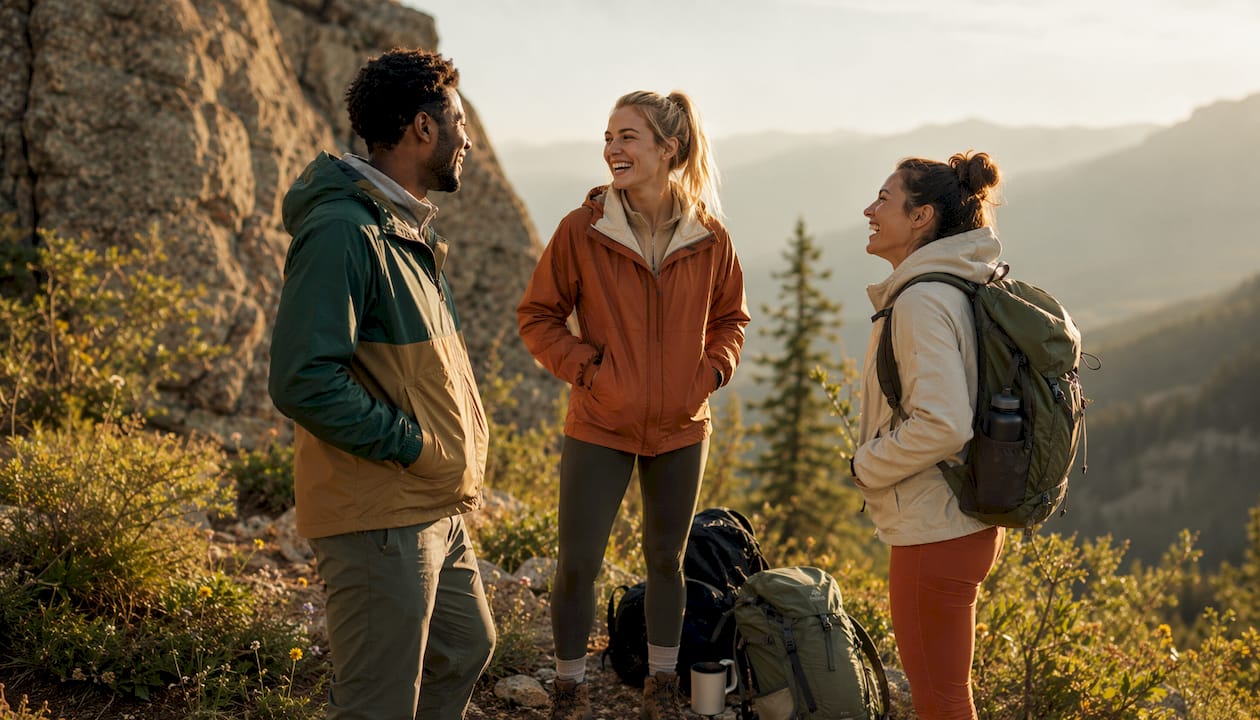
Finding stylish hiking clothes that actually perform on the trail used to mean choosing between looking good and staying comfortable. That trade-off is mostly gone now. The best retailers and brands today offer apparel that moves from trailhead to coffee shop without missing a beat, and the six US stores below cover the full range, from budget-friendly technical gear to premium sustainable pieces.
| Store | Location & Specialization | Style Range | Sustainability Focus | Best For | Rating |
|---|---|---|---|---|---|
| REI | Bend, OR; full-range outdoor retail | Broad, curated across all levels | Strong brand partnerships | All-around selection | 4.4★ (619) |
| Mountain Supply | Bend, OR; hiking and trail running specialty | Fashion-forward technical picks | Curated brand focus | Expert-guided shopping | 4.7★ (201) |
| Shortt Supply | Hood River, OR; trail running and camping | Technical yet fashionable | Seasonal sales program | Affordable functional style | 4.8★ (124) |
| Margie’s Outdoor Store | Cook, WA; eclectic outdoor and adventure | Unique, community-driven picks | Local Love discount program | Unique local flavor | 4.9★ (116) |
| KUHL Corporate Office | Salt Lake City, UT; outdoor lifestyle clothing | Polished, versatile collections | Premium fabric focus | Everyday-to-trail versatility | 3.4★ (56) |
| Fjällräven Bend | Bend, OR; heritage outdoor apparel | Classic, nature-inspired designs | Sustainability at the core | Eco-conscious shoppers | 4.9★ (49) |
Where to buy stylish hiking clothes in the US
Each of these retailers takes a genuinely different approach to outdoor apparel, so the right pick depends on what you’re after.
REI is the obvious starting point for most hikers. Its Bend location stocks apparel across every price point and activity level, and the staff expertise means you can actually get help narrowing down options rather than scrolling through hundreds of listings alone.
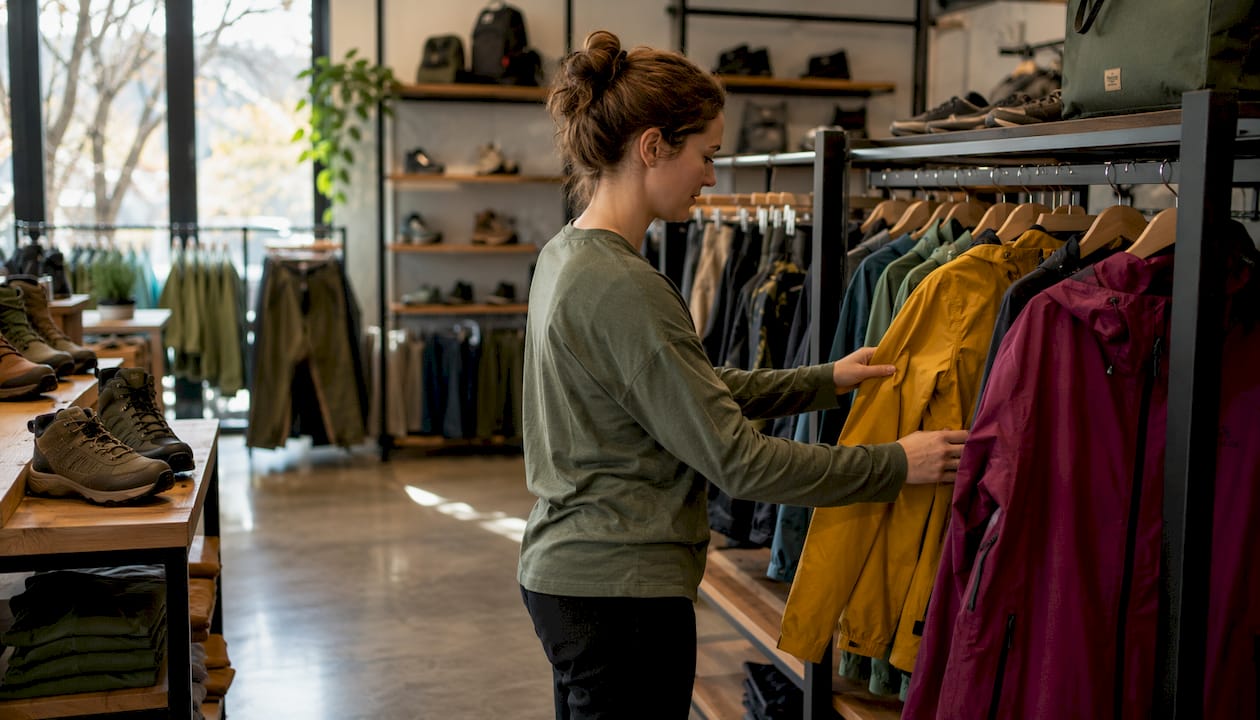
Mountain Supply in Bend is the specialist’s choice. The store focuses on hiking and trail running, so the apparel selection skews toward brands that blend technical performance with a cleaner aesthetic. If you want someone to explain why one fabric choice matters over another for a specific trail condition, this is where to go.
Shortt Supply in Hood River carries trail running and hiking gear with seasonal sales that make quality apparel more accessible. The store’s focus on technical-yet-fashionable outdoor wear means you’re unlikely to find anything that looks purely utilitarian.
Margie’s Outdoor Store in Cook, WA, is the wildcard on this list in the best possible way. Its Local Love program offers 15% off thousands of brand-name outdoor items, and the gear selection reflects a genuine Pacific Northwest outdoor culture rather than a corporate catalog.
KUHL ships free on orders over $100 and specializes in outdoor lifestyle clothing for men and women, including polos, button-ups, shorts, and tops designed to work on a trail or in a meeting. The fit and fabric quality are genuinely premium.
Fjällräven Bend is the pick for shoppers who want apparel built to last decades, not seasons. The brand’s sustainability credentials are baked into the design process, and free shipping kicks in at $90. For eco-conscious hikers who also want classic style, it’s a natural fit.
How to choose stylish and functional hiking clothes
The best hiking outfit starts with fabric, not color. Once you get the material right, everything else, including fit, layering, and style, falls into place naturally.
Key factors to weigh:
- Fabric first. Merino wool is the gold standard for multi-day hikes: breathable, naturally odor-resistant, and polished enough to wear off-trail. Recycled polyester is lighter and dries faster, making it ideal for day hikes in warm weather. Nylon resists abrasion well but can feel rough against skin on longer outings.
- Fit matters more than you think. Clothing that doesn’t suit your shape causes discomfort on the trail and ends up unworn at home. Looser fits and vented hoodies regulate temperature better than tight technical cuts, which can trap heat on steep climbs.
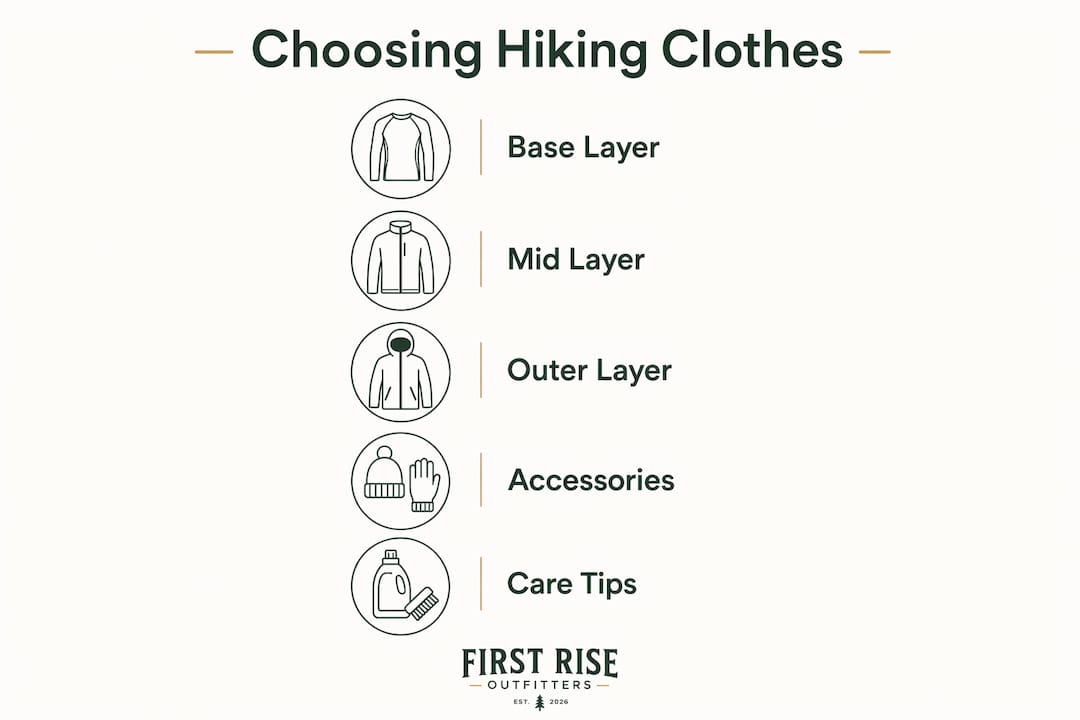
- Layer with intention. A breathable base layer, a fashionable mid-layer fleece or quilted pullover, and a packable wind shell or rain jacket covers most conditions without bulk.
- Neutral palettes travel further. Earth tones, slate grays, and muted greens work on the trail and at a café afterward, which is exactly the versatility most hikers want.
- Sun protection is non-optional. Long sleeves with UPF protection and thumb holes protect your arms and hands without requiring constant sunscreen reapplication.
Pro Tip: Anti-odor treatments using mint-based finishes let you wear synthetic shirts for multiple days without washing, which matters a lot when you’re keeping pack weight down on longer trips.
What trends are shaping stylish hiking apparel right now
The biggest shift in hiking apparel over the past few years is the collapse of the line between technical gear and everyday clothing. Stiff, scratchy fabrics are largely gone. Soft, moisture-wicking stretch fabrics now deliver real performance without the “I’m clearly wearing hiking clothes” look.
Current trends worth knowing:
- Normcore outdoor aesthetic. Neutral palettes and relaxed silhouettes let hiking pieces move from trail to town without a costume change.
- Modular layering. Pieces designed to work together, like a base tee, a quilted pullover, and a packable shell, give you outfit flexibility without carrying extra weight.
- Recycled and sustainable materials. Brands like Fjällräven and Patagonia have pushed the whole market toward recycled polyester and responsible sourcing.
- Anti-odor technology. Mint-based and other natural treatments extend wearability across multi-day trips, reducing how much you need to carry.
- Multi-use styling. The blurring of technical and urban apparel creates genuine cost-per-wear value. A well-chosen hiking shirt worn three times a week is a better investment than a purely technical piece worn twice a season.
For women specifically, brands have moved toward styles that prioritize fit and color variety alongside performance, making stylish hiking clothes for women far easier to find than even five years ago. The same applies to men, where cool hiking shirts men actually want to wear off-trail have become a real product category.
Firstriseoutfitters’ approach to authentic outdoor style
Firstriseoutfitters sits in a slightly different lane from the retailers above, and that’s the point. The brand makes garment-dyed tees on Comfort Colors, Bella+Canvas, and Gildan blanks, printed with hand-designed artwork of brook, brown, rainbow, and cutthroat trout in muted, river-inspired tones.
What makes the apparel work for hikers and anglers alike:
- No loud logos. The graphics are artwork, not advertising, so the shirts look right at a trailhead or a tailgate.
- Muted, nature-inspired color palette. River tones and earthy hues fit the outdoor aesthetic without trying too hard.
- Species-specific and location-specific designs. National Park shirts, river-themed tees, and trout species graphics give each piece a story.
- Conservation messaging. The brand’s identity is tied to the places it celebrates, which resonates with hikers who care about the land they walk on.
- Comfortable, durable blanks. Comfort Colors garment-dyed blanks are known for their soft hand feel and how well they hold up over years of washing.
For the hiker who wants a shirt that looks like it belongs outdoors without screaming “outdoor brand,” Firstriseoutfitters fills that gap cleanly.
How to care for your hiking clothes so they last
Good hiking apparel is an investment, and a few simple habits keep it performing and looking sharp for years.
Wash synthetic and merino pieces in cold water on a gentle cycle. Hot water breaks down stretch fibers and degrades moisture-wicking treatments faster than anything else. Turn garments inside out before washing to protect printed graphics and reduce pilling on the outer face of the fabric.
Skip the fabric softener entirely. It coats the fibers and kills the moisture-wicking properties you paid for. The same goes for dryer sheets. Air-dry when you can, and if you use a dryer, keep it on low heat.
For merino wool specifically, wash less often. The natural odor resistance means you can wear it several times before it needs a full wash, which also extends the garment’s life. Store hiking clothes loosely folded rather than compressed in a stuff sack long-term, since prolonged compression can distort the fabric’s structure.
How to dress for hiking in every season
Your base layer stays consistent year-round: a moisture-wicking tee or long-sleeve shirt that pulls sweat away from your skin. What changes is everything you add on top of it.
Spring and fall are the trickiest seasons because temperatures swing 20–30 degrees between morning and afternoon. A packable mid-layer fleece and a wind-resistant shell you can stuff into a hip pocket covers most scenarios. Neutral-toned pieces in these layers double as casual wear when you’re done hiking.
Summer calls for UPF-rated sun shirts, breathable shorts or lightweight convertible pants, and a packable rain layer for afternoon storms. Lighter colors reflect heat, but muted earth tones still work if the fabric is genuinely breathable.
Winter hiking requires a proper base layer system: a merino or synthetic moisture-wicking layer, an insulating mid-layer, and a waterproof shell. Style still matters here. Well-fitted insulated pieces in classic colors look intentional rather than thrown together, and they work just as well for après-trail as they do on the mountain. For a broader look at outdoor lifestyle apparel choices by season, regional guides can help you dial in what works for your specific climate.
Firstriseoutfitters: outdoor apparel for early risers
If the retailers above cover your technical hiking needs, Firstriseoutfitters covers something different: the shirt you actually want to wear when the hike is over.
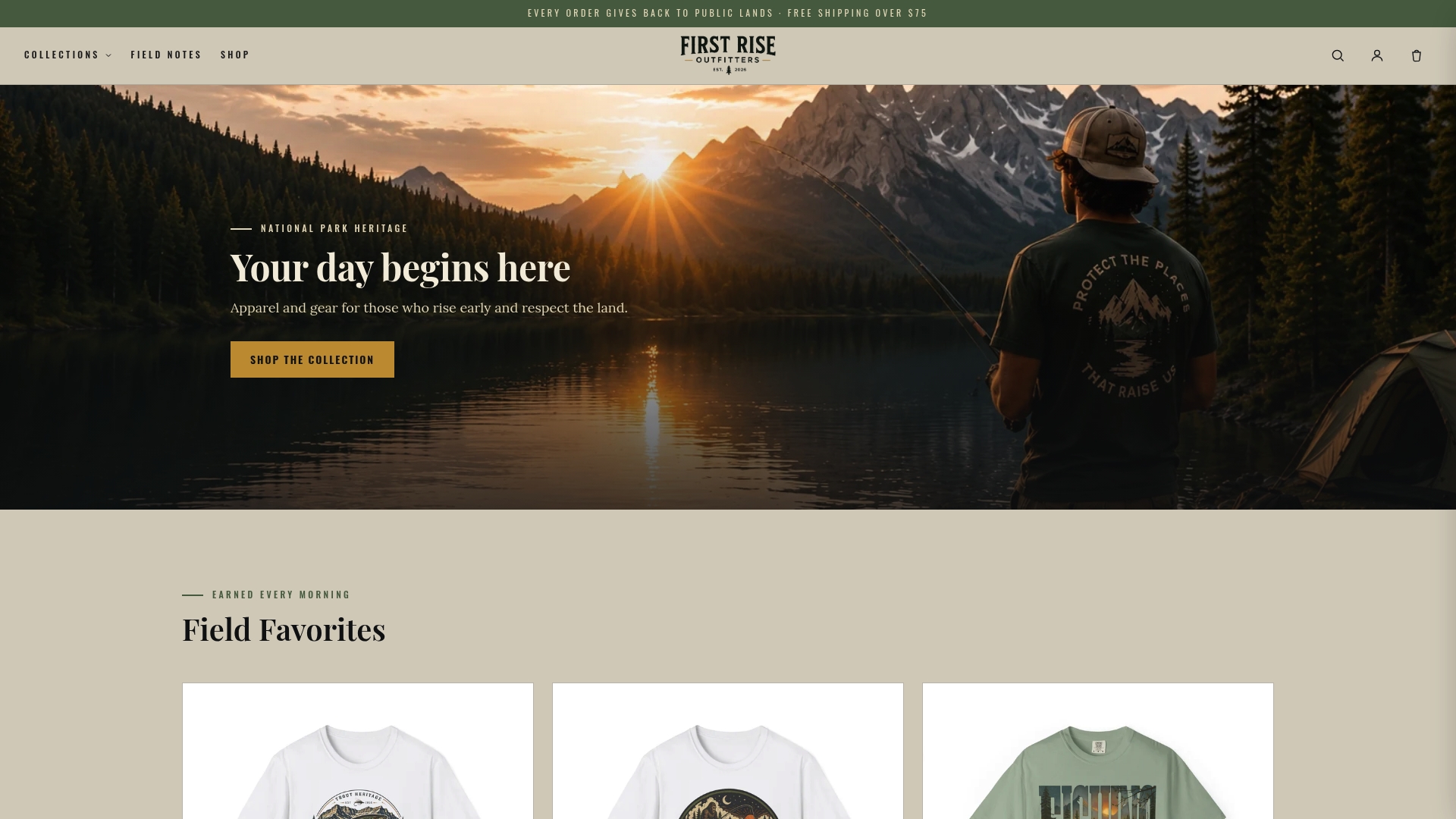
The brand’s vintage outdoor tees are built for people who are up before sunrise and still wearing the same shirt at the campfire that night. Garment-dyed Comfort Colors blanks, hand-designed trout artwork, and muted river tones make these pieces feel earned rather than purchased. Browse the Trout Heritage collection for species-specific designs that work as well on a trail as they do on the water.
Key Takeaways
The best stylish hiking clothes balance fabric performance, fit, and versatile aesthetics so they work on the trail and off it.
| Point | Details |
|---|---|
| Fabric drives performance | Merino wool and recycled polyester offer the best balance of comfort, odor resistance, and style. |
| Layering is the system | A moisture-wicking base, a mid-layer fleece, and a packable shell covers most conditions without bulk. |
| Neutral palettes work hardest | Earth tones and muted colors transition from trail to town without a wardrobe change. |
| Care extends garment life | Cold-water washing, no fabric softener, and air-drying protect moisture-wicking treatments and printed graphics. |
| Firstriseoutfitters fills the style gap | Garment-dyed tees with hand-designed trout artwork in muted, river-inspired tones suit hikers who want outdoor apparel that looks intentional. |