
Fishing Clothes That Work Before the Sun Rises
By Bobby Harris — Navy FMF Corpsman (2002–2010), founder of First Rise Outfitters
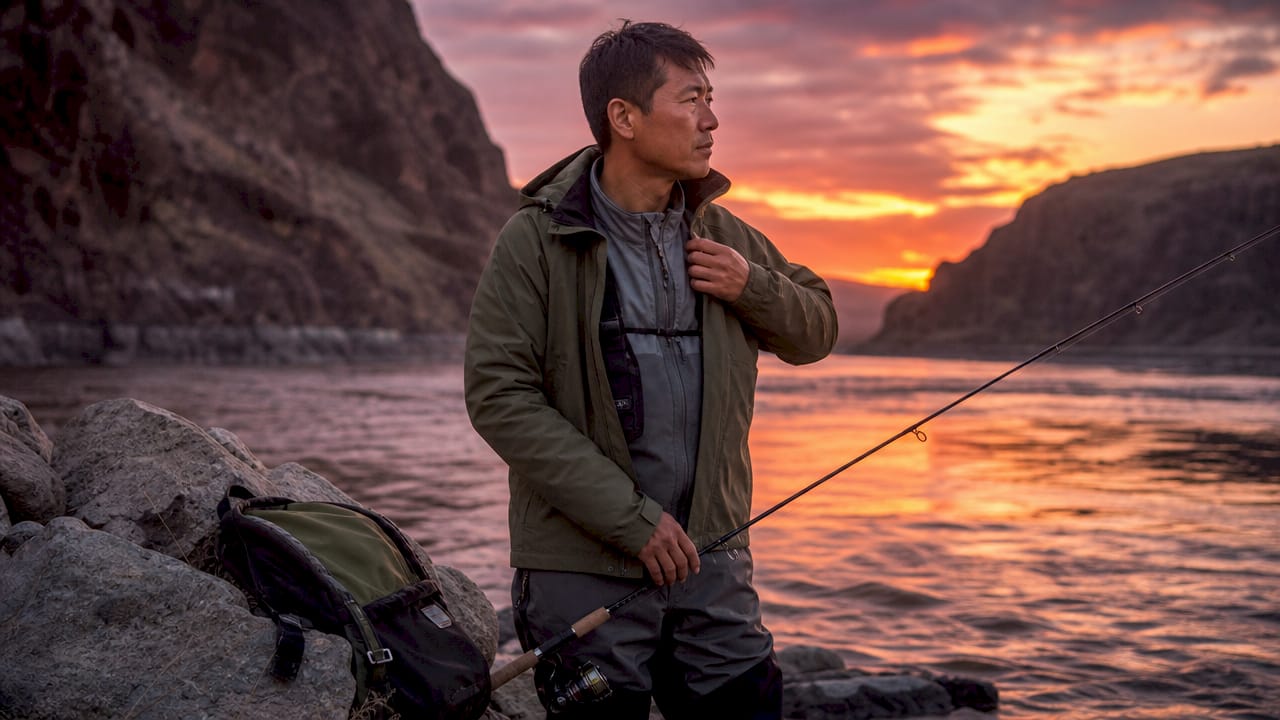
Fishing clothes are purpose-built apparel engineered to manage sun exposure, moisture, and temperature so you can stay comfortable and focused on the water. Unlike regular athletic wear, quality fishing apparel handles sharp hooks, slippery decks, UV radiation, and rapid moisture changes that general outdoor gear simply cannot address. The right fishing shirt, layering system, and footwear can mean the difference between a productive morning on the river and cutting your session short at 7 AM. This guide walks you through everything you need to choose fishing apparel that performs in cold-water and early morning conditions.
What makes fishing clothes different from regular outdoor gear?
Fishing clothes are defined by three core functions: sun protection, moisture management, and durability under fishing-specific hazards. Regular athletic wear handles one or two of these. Functional fishing apparel handles all three simultaneously, which is why fishing apparel surpasses standard athletic wear in real fishing conditions. That gap becomes obvious the first time you spend six hours on a boat in a cotton t-shirt.
The industry standard for sun protection in fishing apparel is UPF 50+. UPF, or Ultraviolet Protection Factor, measures how much UV radiation a fabric blocks. A UPF 50+ garment blocks 98% of UV rays, and that protection does not wash out the way sunscreen does. That makes a quality fishing shirt a long-term investment in your skin health, not just a comfort item.
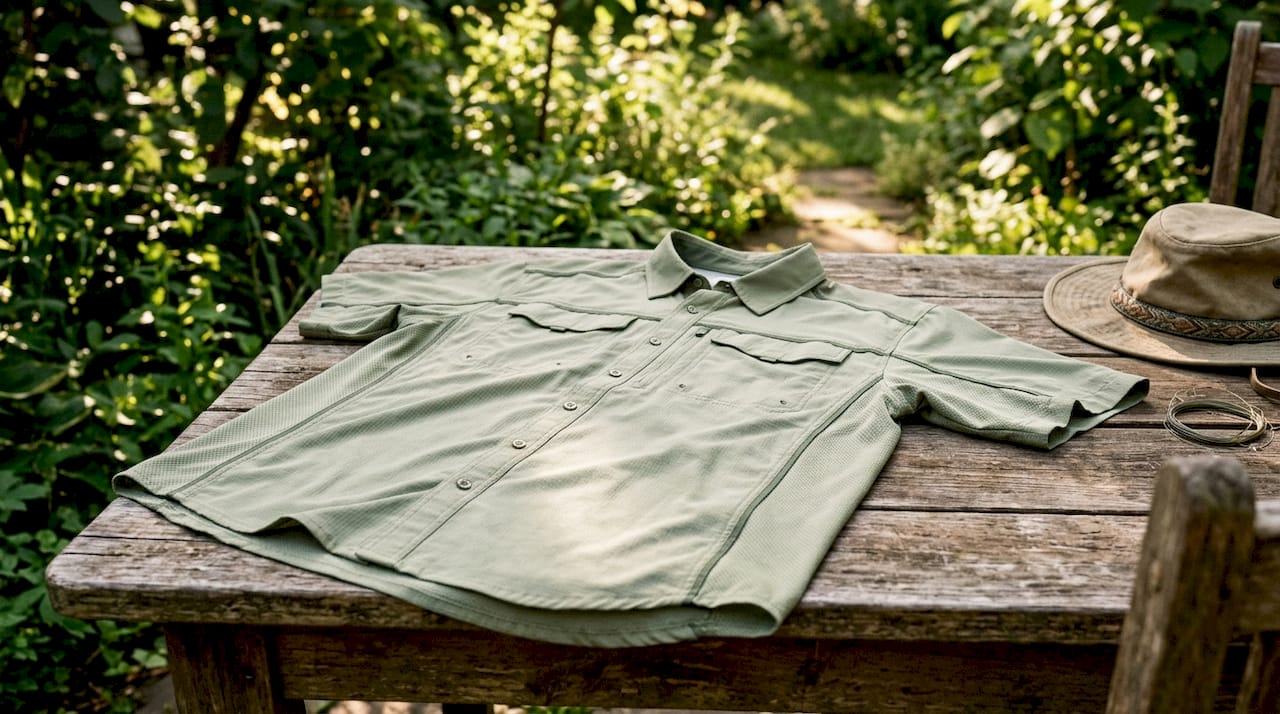
Fishing apparel also incorporates features you will not find in a standard gym shirt: reinforced seams that resist hook snags, quick-dry fabrics that handle morning dew and river spray, and antimicrobial treatments that manage odor across multi-day trips. When you understand what separates purpose-built fishing clothes from generic outdoor wear, choosing the right gear becomes straightforward.
Why do synthetic fabrics outperform cotton in fishing apparel?
Cotton is the wrong fabric for fishing. It absorbs moisture, dries slowly, and loses its insulating ability the moment it gets wet. On a cold morning when you are wading a 50°F river, a wet cotton shirt pulls heat away from your body fast. Nylon and polyester blends dry up to 80–90% faster than cotton, which keeps you comfortable through morning dew, rain, and river spray.
Synthetic fabrics also hold their shape and insulating properties when wet. Polyester traps a thin layer of warm air against your skin even after a splash. Nylon adds abrasion resistance, which matters when you are brushing against boat rails or rocky banks. Many high quality fishing t shirts and long-sleeve shirts combine both fibers to balance stretch, durability, and drying speed.
Modern synthetics also address sustainability concerns that matter to anglers who care about the environments they fish. Many brands now use recycled polyester made from post-consumer plastic bottles, which reduces raw material demand without sacrificing performance. The fabric technology has advanced to the point where recycled synthetics match virgin polyester in drying speed and durability.
One underrated feature in synthetic fishing garments is odor control. Here is what most anglers do not know:
- Topical antimicrobial coatings are applied to the fabric surface and degrade with repeated washing, often losing effectiveness within 20–30 wash cycles.
- Woven-in antimicrobial treatments are built into the fiber itself. They do not wash out and maintain odor control for the life of the garment.
- Moisture-wicking construction reduces the damp conditions where odor-causing bacteria thrive, adding a passive layer of odor management.
- Polyester blends resist absorbing fish oils and bait smells better than cotton, making them easier to clean after a full day on the water.
Pro Tip: When shopping for fishing clothing for sale, check the product description for “woven-in” or “fiber-level” antimicrobial treatment rather than “treated” or “coated.” The distinction tells you whether odor control will last the life of the shirt or fade after a season.
How should you layer for cold-water and early morning fishing?
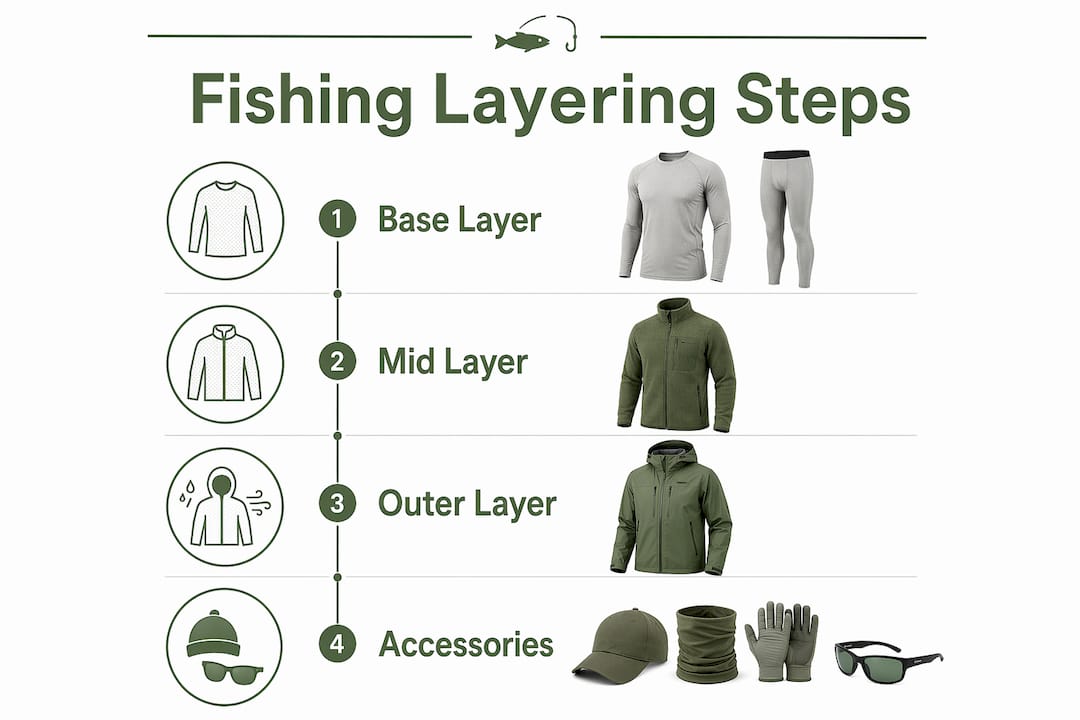
The three-layer system is the standard approach for managing body temperature in fishing conditions between 40°F and 60°F. Each layer has a specific job, and the system works because you can add or remove layers as conditions change throughout the morning. A layering system for cold-water fishing gives you flexibility that a single heavy jacket cannot.
-
Base layer. This layer sits against your skin. Its job is to pull sweat away from your body and dry fast. Choose a fitted synthetic shirt in polyester or merino wool. Merino wool is worth mentioning here because it manages moisture well, resists odor naturally, and feels comfortable against skin even when wet. Avoid anything loose-fitting at this layer since dead air space reduces its wicking efficiency.
-
Mid layer. This layer provides insulation. A fleece pullover or a lightweight insulated vest works well for most early morning fishing conditions. Fleece dries quickly if it gets wet and compresses into a pack easily when the sun comes up and temperatures rise. For very cold conditions, a midweight wool sweater adds warmth without bulk.
-
Outer layer. This layer defends against wind, rain, and spray. A waterproof, windproof shell jacket is the right choice. Look for taped seams and a hood that fits under a hat. The shell does not need to be heavy. A lightweight packable rain jacket weighs almost nothing in your bag and can save a morning when weather shifts unexpectedly.
Pro Tip: Dress for the temperature at launch, not the temperature at noon. Early morning river temperatures in spring can sit 15°F to 20°F colder than the afternoon high. Start with all three layers and peel back as the day warms.
The layering approach also applies to mens fishing clothing specifically. Men tend to run warmer than average, but cold-water wading drops core temperature faster than most anglers expect. The three-layer system accounts for that by giving you control rather than committing you to one fixed level of warmth.
What sun protection features should fishing clothes include?
Full-body coverage with UPF 50+ fabric is the standard that professional fishing guides use for sessions lasting six to eight hours on the water. The logic is simple: water reflects UV radiation back at you, which means you receive UV exposure from above and below simultaneously. A short-sleeve shirt and no hat is not a viable sun strategy for a full day of fishing.
The core sun protection wardrobe for anglers includes:
- Long-sleeve UPF 50+ shirts. These block UV from the arms and shoulders, which are the most exposed areas during casting. Ventilation features like mesh vents and perforated panels keep these shirts breathable in warm weather without reducing UV protection.
- UPF-rated pants or convertible pants. Long pants protect the legs during wading and boat fishing. Convertible styles zip off at the knee for warm afternoon conditions.
- Wide-brim hats. A brim of at least three inches protects the face, ears, and neck. Neck flaps add coverage for the back of the neck, which is easy to forget and quick to burn.
- Fishing gloves. Lightweight sun gloves protect the backs of the hands during long casting sessions. They dry fast and pack flat.
- Polarized sunglasses. Polarized lenses reduce water surface glare and protect your eyes from UV fatigue during long sessions. They also improve your ability to spot fish below the surface, which makes them a functional tool, not just eye protection.
Balancing sun protection with breathability is where fabric technology earns its price. Look for fishing shirts with moisture-wicking construction and strategic ventilation. The best fishing outfits for warm-weather angling combine UPF 50+ coverage with airflow features that prevent overheating.
What footwear works best for fishing safety and comfort?
Fishing footwear is a safety item before it is a comfort item. Wet boat decks covered in fish slime are genuinely dangerous surfaces. Fishing-specific deck boots with siping provide superior traction on these surfaces compared to standard hiking shoes. Siping refers to razor-thin cuts in the rubber outsole that grip wet surfaces by channeling water away from the contact point, similar to how a car tire sheds water.
The right footwear depends on your fishing environment:
- Deck boots with siped rubber soles work best for boat fishing on wet, slippery surfaces. They provide ankle support and keep feet dry.
- Wading boots with rubber soles are the standard for river fishing. Felt soles were once common but are now avoided because they trap invasive aquatic species and spread them between waterways.
- Quick-dry fishing sandals or booties suit warm-weather wading in shallow, clear water where traction demands are lower.
- Insulated wading boots pair with neoprene waders for cold-water fishing in temperatures below 45°F. The insulation prevents the numbness that sets in quickly when wading cold rivers.
One detail most anglers overlook: fit matters more in wading boots than in any other footwear. Wading boots are worn over neoprene wader socks, which add significant volume. Size up at least one full size from your regular shoe size to get a proper fit with waders on.
Key Takeaways
The most effective fishing apparel combines UPF 50+ sun protection, synthetic moisture-wicking fabrics, and a three-layer system to handle cold-water and early morning conditions reliably.
| Point | Details |
|---|---|
| Choose synthetic over cotton | Nylon and polyester blends dry 80–90% faster than cotton, keeping you warm and comfortable. |
| Use the three-layer system | Base, mid, and outer layers give you temperature control from 40°F dawn to warm afternoon. |
| Prioritize UPF 50+ coverage | UPF 50+ fabric blocks 98% of UV rays permanently, unlike sunscreen that washes off. |
| Check odor control type | Woven-in antimicrobial treatments outlast topical coatings by the life of the garment. |
| Match footwear to your surface | Siped rubber soles prevent slipping on boat decks; rubber-soled wading boots protect rivers from invasive species. |
What I have learned about choosing fishing clothes that actually last
Most anglers overbuy on technical features and underbuy on fabric quality. I have seen anglers spend money on shirts loaded with pockets and vents but made from thin polyester that pills after ten washes. The better move is to prioritize fabric weight and construction first, then look at features.
The biggest mistake I see with hunting and fishing apparel choices is ignoring odor control until it becomes a problem. By the time a shirt smells after one wear, the topical antimicrobial coating is already gone. Buying a shirt with woven-in odor control from the start saves you from replacing gear every season.
On sustainability: recycled polyester performs identically to virgin polyester in my experience. The environmental argument for choosing recycled fiber is real, and the performance trade-off is zero. If a brand offers recycled synthetic options, there is no reason not to choose them.
My layering habit for early morning fishing is to always pack the outer shell, even when the forecast looks clear. River valleys create their own weather. A packable rain jacket weighs four ounces and has saved more mornings than I can count.
— Bobby
Fishing apparel built for the first light of morning
Firstriseoutfitters designs fishing apparel for anglers who are already on the water when most people are still setting an alarm. The brand’s core line features hand-designed artwork of brook, brown, rainbow, and cutthroat trout printed on garment-dyed Comfort Colors blanks in muted, river-inspired tones.
If you want a shirt that looks right at 5 AM and holds up through a full season, the Brook Trout angler tee and the Fishing Definition tee are strong starting points. No loud logos, no performance-gear marketing. Just well-made shirts built for people who take the first rise seriously. Browse the full collection at Firstriseoutfitters and find the shirt that fits your water.
FAQ
What fabric is best for fishing clothes?
Nylon and polyester blends are the best fabrics for fishing apparel because they dry 80–90% faster than cotton and retain insulation when wet. Merino wool is a strong alternative for cold-water base layers due to its natural odor resistance.
What does UPF 50+ mean on a fishing shirt?
UPF 50+ means the fabric blocks 98% of UV rays. Unlike sunscreen, UPF protection is built into the fabric and does not wash out over time.
How many layers do you need for cold-water fishing?
Three layers are standard for fishing in 40°F to 60°F conditions: a moisture-wicking base layer, an insulating mid layer such as fleece, and a waterproof outer shell. Each layer can be added or removed as conditions change.
Are felt-soled wading boots still recommended?
Felt soles are no longer recommended because they trap and spread invasive aquatic species between waterways. Rubber-soled wading boots with siping provide comparable traction and are safer for river ecosystems.
What sun protection accessories do anglers need?
The core accessories are a wide-brim hat, polarized sunglasses, and lightweight sun gloves. Combined with a UPF 50+ long-sleeve shirt and pants, these provide full-body coverage for six to eight-hour sessions on the water.
Recommended
- Fishing Shirt for Men, Sunrise Lake Graphic Tee, Fisherman Gift, Vinta – First Rise Outfitters
- Brook Trout Fishing T-Shirt | Vintage Native Waters Angler Tee – First Rise Outfitters
- Funny Fisherman Shirt, Fishing Definition Tee, Fly Fishing Gift for Me – First Rise Outfitters
- Rocky Mountain Fishing Shirt, Colorado Fly Fishing Tee, Vintage Trout – First Rise Outfitters