
Fishing for Trout: How to Catch Your First One
By Bobby Harris — Navy FMF Corpsman (2002–2010), founder of First Rise Outfitters
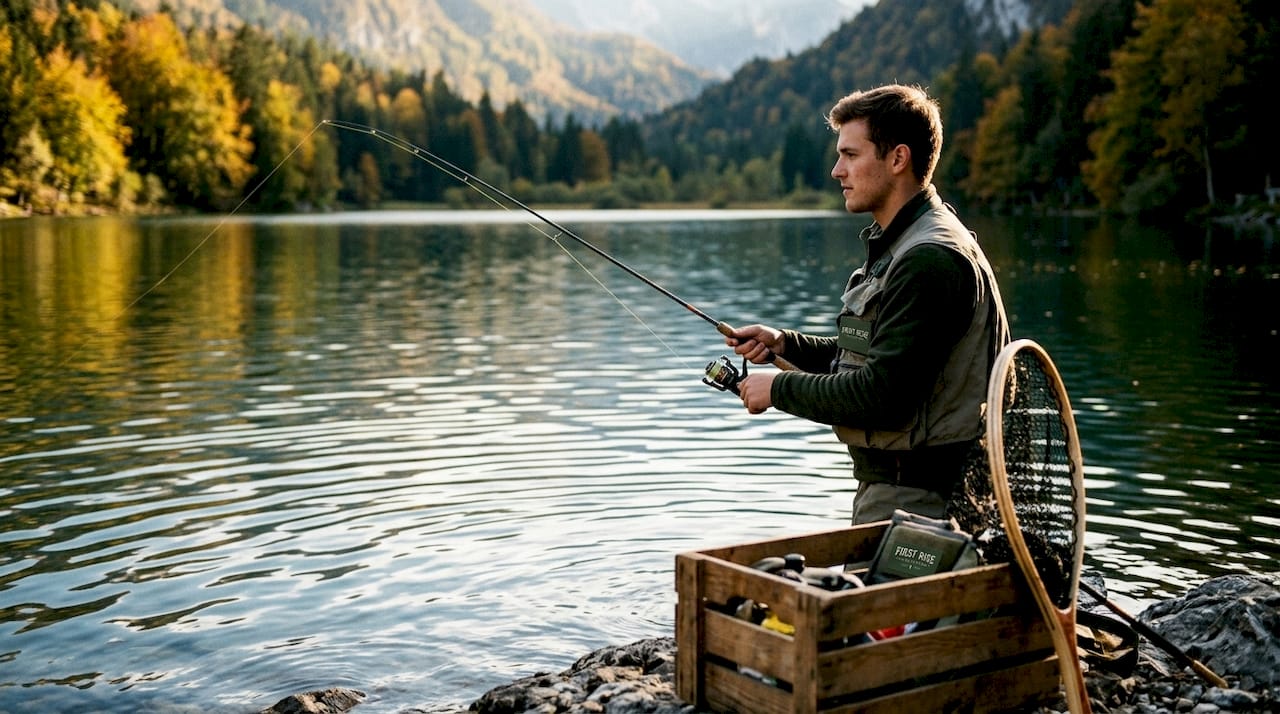
Trout fishing is defined as the pursuit of species like rainbow, brown, brook, and cutthroat trout using spinning tackle, bait rigs, or fly fishing methods in rivers, streams, and lakes. These trout fishing tips for beginners cover the gear, techniques, and water-reading skills you need to go from the bank to your first catch. You do not need expensive equipment or years of experience. You need the right setup, a basic understanding of trout behavior, and the patience to practice. This guide gives you all three.
What gear do beginners need for trout fishing?
The right gear removes most of the frustration from your first few trips. A 6–7 foot light or ultralight spinning rod paired with a 1000–2500 size reel and 4–6 pound monofilament line covers 90% of basic trout fishing scenarios. Entry-level combos in this range cost under $100, which means you can get started without a big investment. Monofilament line in the 4–6 pound range gives you enough strength for most trout while staying light enough to fool wary fish.
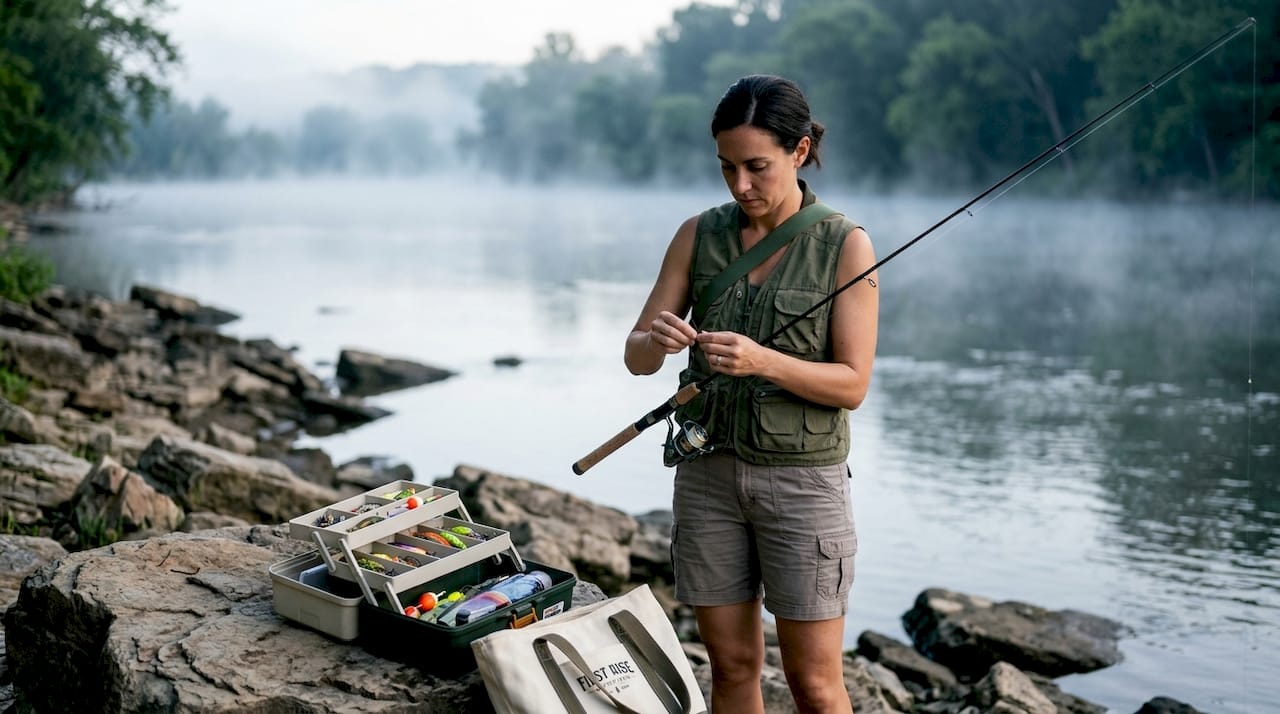
Spinning vs. fly fishing setups
If you want to try fly fishing instead of spinning, the standard beginner recommendation is a 9-foot, 5-weight rod as a versatile starting point. Starter fly rod outfits run $100–$190 and handle most trout environments well. The table below compares both setups at a glance.
| Feature | Spinning setup | Fly fishing setup |
|---|---|---|
| Rod length | 6–7 feet | 9 feet |
| Line type | 4–6 lb monofilament | Weight-forward floating line |
| Reel size | 1000–2500 | 5-weight matched reel |
| Entry cost | Under $100 | $100–$190 |
| Best for | Bait, lures, lakes, streams | Streams, rivers, dry flies, nymphs |
Both setups work. Spinning gear is easier to learn in a single afternoon. Fly fishing takes more practice but opens up a wider range of techniques over time. Start with whichever feels less intimidating, and upgrade your gear as your skills grow.
Pro Tip: Buy a complete combo kit rather than mixing individual pieces. Manufacturers match rod, reel, and line in combo kits so everything works together from day one.
What are the best trout fishing techniques for beginners?
Two methods dominate beginner trout fishing: bait fishing and fly fishing. Both work, and both reward patience over aggression.
Bait fishing rig setup
A simple split shot rig is the most reliable starting point. Placing split shot sinkers 12–18 inches above a size 8–12 hook creates a natural drift that trout find hard to resist. Use live bait like worms or salmon eggs, or try floating dough bait under a bobber for still water.
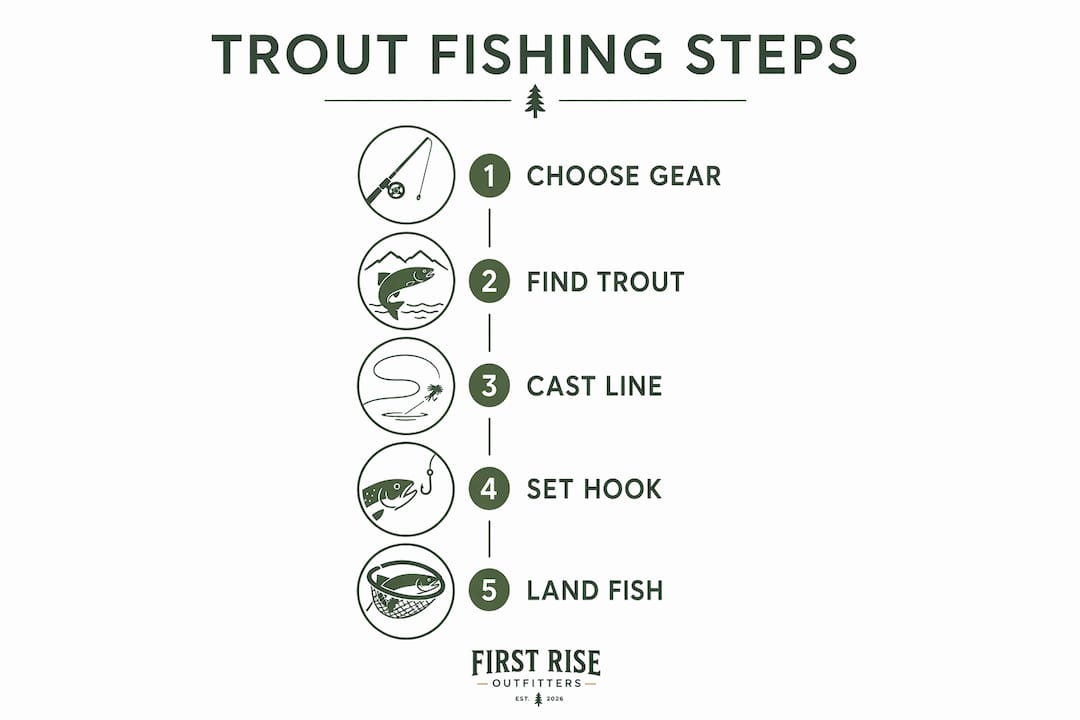
Follow these steps to set up your bait rig:
- Thread your monofilament through the eye of a size 8–12 hook and tie a clinch knot.
- Pinch one or two split shot sinkers onto the line 12–18 inches above the hook.
- Attach a small bobber 18–24 inches above the split shot if you are fishing still or slow water.
- Add your bait. Press a worm onto the hook so it hangs naturally, or thread a salmon egg directly onto the hook point.
- Cast gently upstream and let the rig drift naturally with the current.
Fly fishing basics
Fly fishing uses three main fly types, and knowing when to use each one makes a real difference:
- Dry flies: Float on the surface and imitate adult insects. Use them when you see fish rising and feeding at the top of the water.
- Nymphs: Sink below the surface and imitate insect larvae. These are the most productive flies for beginners because trout feed underwater most of the time.
- Streamers: Larger, weighted flies that imitate small fish or crayfish. Use them in deeper pools or when water is off-color.
For casting, think of your forearm as a clock hand moving between 10 o’clock and 2 o’clock. The rod loads like a spring on the backcast and releases energy forward on the forward cast. Waiting for the fly line to fully straighten behind you before casting forward improves accuracy and prevents tangles. A slight tug on the rod tip tells you the line is ready.
Pro Tip: Keep your hookset gentle. A gentle lift sets the hook without ripping it free, especially when using light tippet. Trout mouths are soft, and a hard yank pulls the hook clean out.
How do you read water to find trout?
Trout are not randomly distributed in a river or stream. They hold in specific spots that offer food, shelter, and comfortable water temperatures. Trout favor water temperatures between 50°F and 65°F for active feeding. Below 40°F they become sluggish. Above 70°F they move to shaded, cooler areas and stop feeding aggressively.
The best trout holding spots share a few common features:
- Seams: The line where fast current meets slow current. Trout sit in the slow water and dart into the fast water to grab food.
- Pools: Deep, slow sections below rapids or waterfalls. Larger trout rest here and feed when food drifts through.
- Undercut banks: Eroded banks with overhanging grass or roots. Trout hide here for shade and protection from predators.
- Structure: Logs, boulders, and submerged branches break current and create feeding lanes directly behind them.
Trout hold near seams, behind rocks, and along undercut banks because these spots deliver food with minimal energy cost. Approach from downstream whenever possible. Approaching from downstream puts you in the trout’s blind spot and reduces the chance of spooking fish before you even cast. Stay within 30 feet for the most effective presentation.
Timing matters too. Early mornings and late evenings during spring and fall produce the most consistent trout activity because water temperatures sit in that ideal 50°F–65°F range. Plan your trips around those windows and you will see a real difference in how many fish you contact.
What mistakes do beginner trout anglers make most often?
Most beginners make the same handful of errors. Recognizing them early shortens your learning curve significantly.
- Rushing the backcast: Casting forward before the line straightens behind you causes the line to pile up and kills accuracy. Feel for that slight tug before you drive the rod forward.
- Aggressive hooksets: Yanking hard when a trout strikes pulls the hook free more often than it sets it. A firm lift of the rod tip is all you need.
- Poor line mending: Drag is the enemy of a natural drift. Multiple small mends are better than one big one because a large mend lifts the fly out of the strike zone entirely.
- Wrong bait or fly choice: Matching what trout are eating in that specific water on that specific day matters. Observe the water for rising fish or insects before choosing your fly or bait.
- Fishing too fast: Beginners often move through water quickly when they do not get a bite. Trout need time to notice your presentation. Slow down and work each spot thoroughly.
Pro Tip: When playing a large trout, keep the rod tip high and maintain steady pressure. Dropping the rod tip gives the fish slack and lets it shake the hook free.
For a deeper look at fly fishing fundamentals, the complete beginner’s guide at Firstriseoutfitters walks through casting, knots, and gear selection in detail.
Key Takeaways
Catching trout as a beginner comes down to three things: the right gear, understanding where trout hold, and presenting bait or flies with a natural drift.
| Point | Details |
|---|---|
| Start with a simple spinning setup | A 6–7 foot ultralight rod with 4–6 lb monofilament covers most beginner trout scenarios under $100. |
| Use a split shot rig for bait fishing | Place split shot 12–18 inches above a size 8–12 hook for a natural drift that consistently attracts trout. |
| Target seams, pools, and undercut banks | Trout hold where food arrives with minimal effort, so focus your casts on current edges and structure. |
| Fish in the 50°F–65°F temperature window | Trout feed most actively in this range, making early mornings and evenings in spring and fall the best times. |
| Keep hooksets and mends gentle | A firm lift sets the hook without tearing free, and small mends preserve the natural drift trout respond to. |
What I have learned watching beginners catch their first trout
Most people walk up to a stream and immediately start casting into the middle of the water. That is the single biggest mistake I see. Trout are not in the middle. They are tucked against the bank, sitting behind that boulder, or holding right on the seam where the current breaks. The moment you start reading water instead of just fishing water, your catch rate changes fast.
The other thing I have noticed is that beginners underestimate patience. You can have perfect gear and a textbook cast, but if you rush through a pool after two casts, you will miss the fish that was watching your fly on the third drift. Trout are cautious. They study a presentation before committing. Give each spot at least five or six drifts before moving on.
Fly fishing specifically rewards people who slow down and observe. Watch the water for five minutes before you cast. Look for rises, insects on the surface, or subtle swirls near the bank. That information tells you exactly what fly to tie on and where to place it. The anglers who catch the most fish are not the ones with the fanciest gear. They are the ones who pay attention.
If you are just starting out, do not let the learning curve discourage you. Every angler you admire on the water was once standing where you are, tangling their line and missing strikes. The sport rewards persistence, and the days when everything clicks are worth every frustrating cast that came before.
— Bobby
Gear that looks as good as the water you fish
Trout fishing is as much a lifestyle as it is a skill, and Firstriseoutfitters was built for anglers who take that seriously.
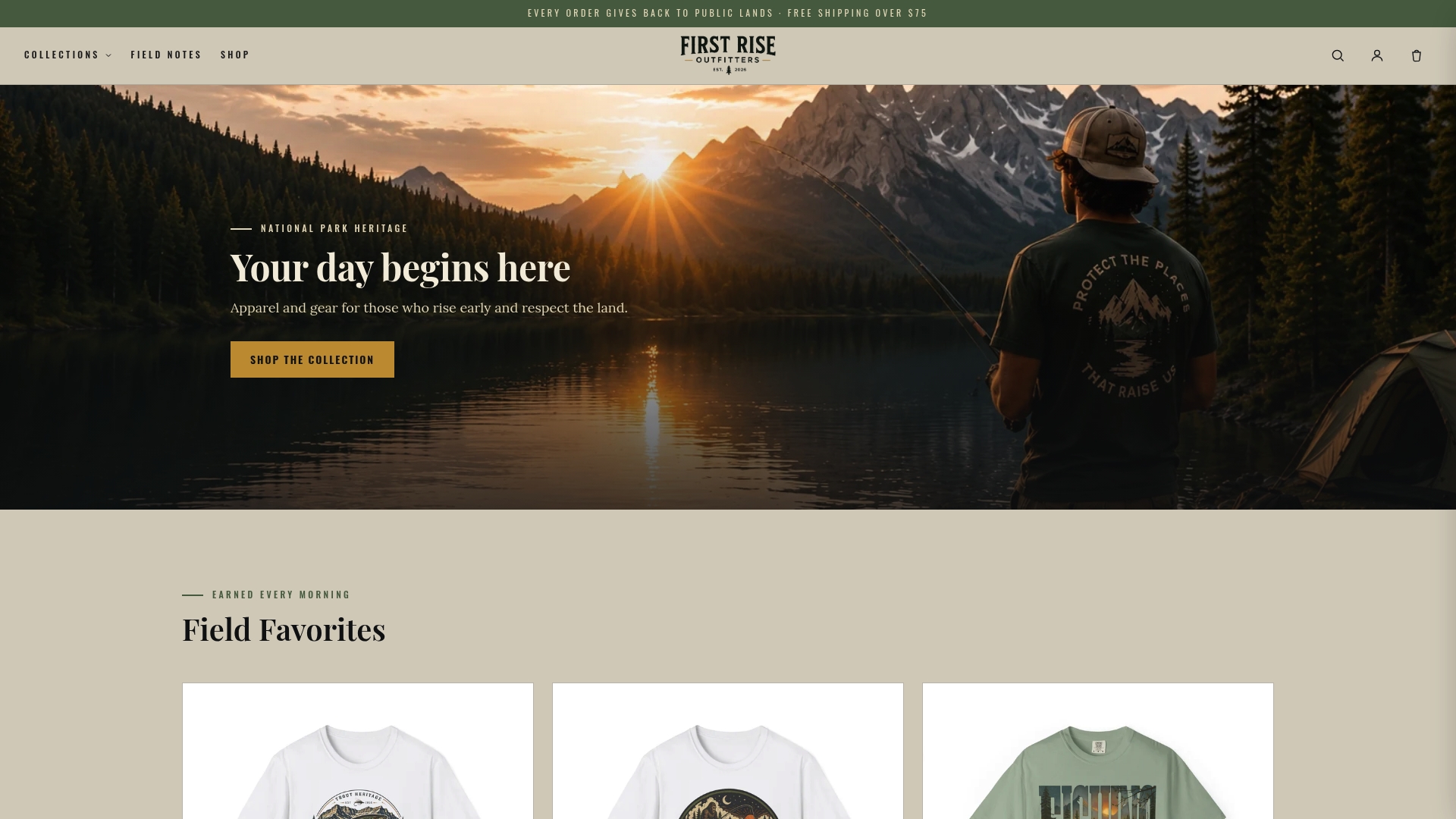
The Firstriseoutfitters Trout Heritage collection features hand-designed artwork of brook, brown, rainbow, and cutthroat trout printed on garment-dyed Comfort Colors blanks in muted, river-inspired tones. These are shirts built for tailgates at 5 AM and long days on the water. If you want something specific, the brook trout angler tee is a standout piece that celebrates the fish and the culture around it. No loud logos, no performance-gear branding. Just well-made apparel for people who are on the water before the sun clears the treeline.
FAQ
What rod and line should a beginner use for trout?
A 6–7 foot light or ultralight spinning rod with a 1000–2500 size reel and 4–6 pound monofilament line covers 90% of beginner trout scenarios. Entry-level combos cost under $100.
Do you need a net for trout fishing?
A net is not required, but it helps you land fish quickly and reduces handling time, which improves trout survival if you practice catch and release. A rubber-mesh net is the best option for protecting the fish’s protective slime coat.
What is the best bait for beginner trout anglers?
Live worms, salmon eggs, and floating dough bait are the most consistent choices for beginners. Rig them on a size 8–12 hook with a split shot sinker 12–18 inches above the hook for a natural drift.
When is the best time to go trout fishing?
Early mornings and late evenings during spring and fall produce the most consistent trout activity. Trout feed most aggressively when water temperatures sit between 50°F and 65°F.
How close should you get to trout before casting?
Approach from downstream and stay within 30 feet for the most effective presentation. Trout have a blind spot directly behind them, so a downstream approach reduces the chance of spooking fish before your first cast.