
River Ready Yellowstone Outfit Picks for Anglers: Garment Dyed Tees
By Bobby Harris — Navy FMF Corpsman (2002–2010), founder of First Rise Outfitters
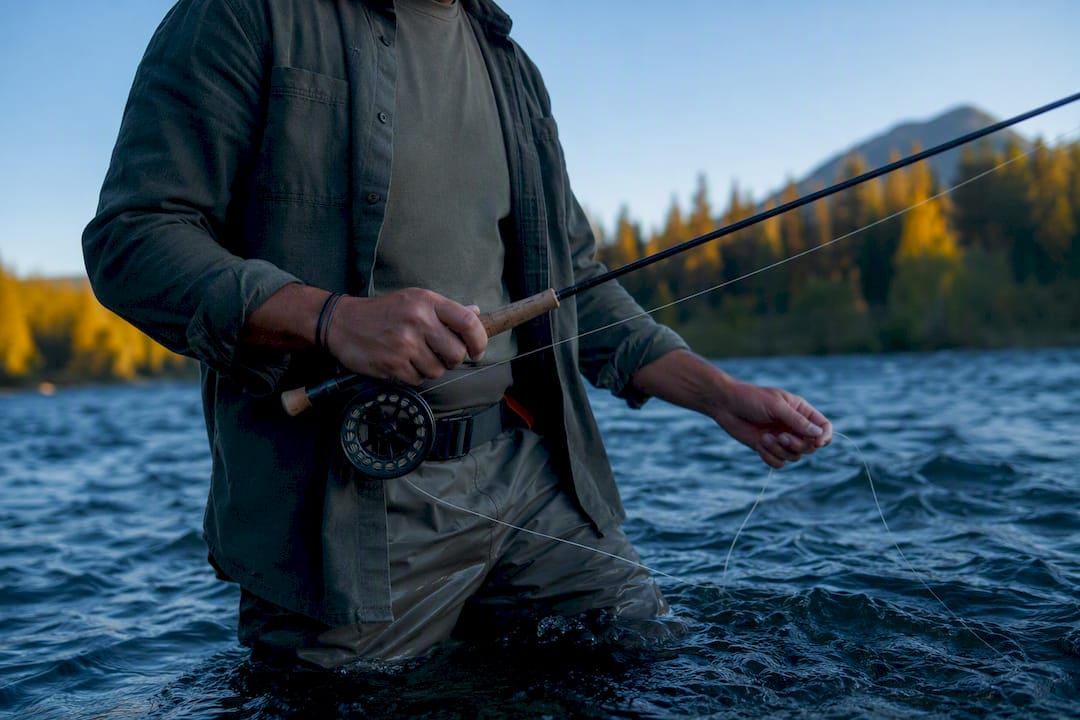
Start with a garment-dyed Yellowstone tee, add a moisture-wicking base layer, quick-dry pants, a brimmed hat, and polarized sunglasses, and you’re set for a river dawn or a trail day. First Rise Outfitters’ Yellowstone River Co. Fishing T-Shirt works as the anchor piece, right out of the package. Browse that tee first, then build the rest of the outfit around it.
TL;DR:
- Wearing UPF-rated fabrics, such as a sun hoodie or long-sleeve layer, provides longer-lasting sun protection than sunscreen alone during early mornings at high elevation.
- Garment-dyed shirts from Comfort Colors or Bella+Canvas soften over time, maintaining durability and a lived-in look, unlike basic cotton options that pill quickly.
- Sizing up if layering underneath and choosing fitted cuts or raglan sleeves improve comfort and functionality for fishing and outdoor activities.
- Washing garment-dyed tees cold, inside out, and avoiding fabric softeners helps the dye and print age gracefully and prolongs the shirt’s lifespan.
- Budget athletic wear can achieve similar moisture-wicking performance as premium gear but falls short on added features like vent panels and rod loops.
Table of Contents
- What Fabrics and Fits Actually Matter for Yellowstone Style?
- Three Yellowstone Outfits You Can Copy This Week
- How Do You Pick the Right Yellowstone Tee?
- Caring for a Garment-Dyed Tee (and Easy Gift Ideas)
- Why We Build Every Shirt Around the First Cast of the Day
- Ready to Build Your Yellowstone Outfit?
- Sources
What Fabrics and Fits Actually Matter for Yellowstone Style?
You want your Yellowstone outfit to look like it’s been on twenty trips already, even if it’s brand new. That look comes down to two things: the blank on which the shirt is printed, and what you layer around it.
Sun exposure at elevation adds up fast, especially if you’re wading a river at 6 AM and still out there at noon. Long sleeves and UPF-rated fabrics often do more for you than sunscreen alone, because sunscreen wears off with sweat and water while fabric just keeps doing its job. A tee with a light long-sleeve layer over it, or a UPF 50+ sun hoodie for peak hours, covers you better than reapplying lotion every hour on a boat.
Cotton feels great until it gets wet, and then it stays wet, which is a real problem on a cool Yellowstone morning. Synthetic fabrics like polyester and nylon, along with merino wool, pull moisture away from your skin and dry fast, which matters more than people expect once the temperature drops below 50 degrees at sunrise. That’s why smart anglers build in layers: a wicking base, a mid layer for warmth, and something water-resistant on top if clouds roll in.
Here’s where the graphic tee comes in. Garment-dyed blanks, like the ones from Comfort Colors or Bella+Canvas, get dyed after the shirt is already sewn together, not before. That process softens the fabric and gives it a faded, lived-in color right out of the bag, which is exactly the muted, vintage look Yellowstone apparel is built around.
Fit matters just as much as fabric:
- Relaxed fit gives you room to layer a base shirt underneath on cold mornings.
- Fitted or athletic cuts work better under a rain shell or waders.
- Women’s-specific cuts fit differently through the shoulders and waist than a men’s shirt sized down, and they move better for casting and hiking.
- Raglan sleeves reduce the seam bulk under your arm, which you’ll notice the moment you cast repeatedly.
Round out the outfit with a structured cap or a wide-brim hat for full neck coverage, polarized sunglasses to cut glare off the water, and a lightweight garment-dyed sweatshirt for when the sun drops behind the ridgeline.
Pro Tip: Layer a light long-sleeve under your Yellowstone tee instead of over it on cold mornings. You keep the graphic visible once you warm up and shed the base layer, instead of hiding your shirt under a jacket all day.
Three Yellowstone Outfits You Can Copy This Week
Picture three different mornings in the park, and you’ll see how the same tee adapts to each one.
- River dawn. Wear the Yellowstone River Co. tee under a light wicking base layer, quick-dry hiking pants, and trail shoes with real tread for slick bank rocks. Add polarized sunglasses before the sun hits the water, since glare shows up fast on a river surface. Budget swap: a $15 moisture-wicking athletic shirt under the tee does nearly the same job as a $60 technical base layer.
- Trail-to-lodge. Pair the tee with a garment-dyed sweatshirt or flannel over top, hiking pants with some stretch, and comfortable slip-on hiking shoes you can kick off at the lodge door. This combo carries you from a midday trail walk straight into dinner without a wardrobe change.
- Gift or casual weekend. Go with the tee, a well-worn pair of jeans, an embroidered sweatshirt, and finish it with an enamel mug or a lunch bag from the same collection. This is the version people actually wear around town, not just on the trip.
For color, stick to muted greens, rust, and faded blues across all three. Those tones match the Trout Heritage palette and won’t clash with a garment-dyed tee’s already-faded look. Layer light to dark from skin outward: wicking base, tee, then anything heavier, so you can shed pieces as the day warms up.
How Do You Pick the Right Yellowstone Tee?
Not every “vintage” tee on the internet holds up the way a garment-dyed one does. A few decision points separate a shirt you’ll wear for five years from one that fades and cracks after a summer.
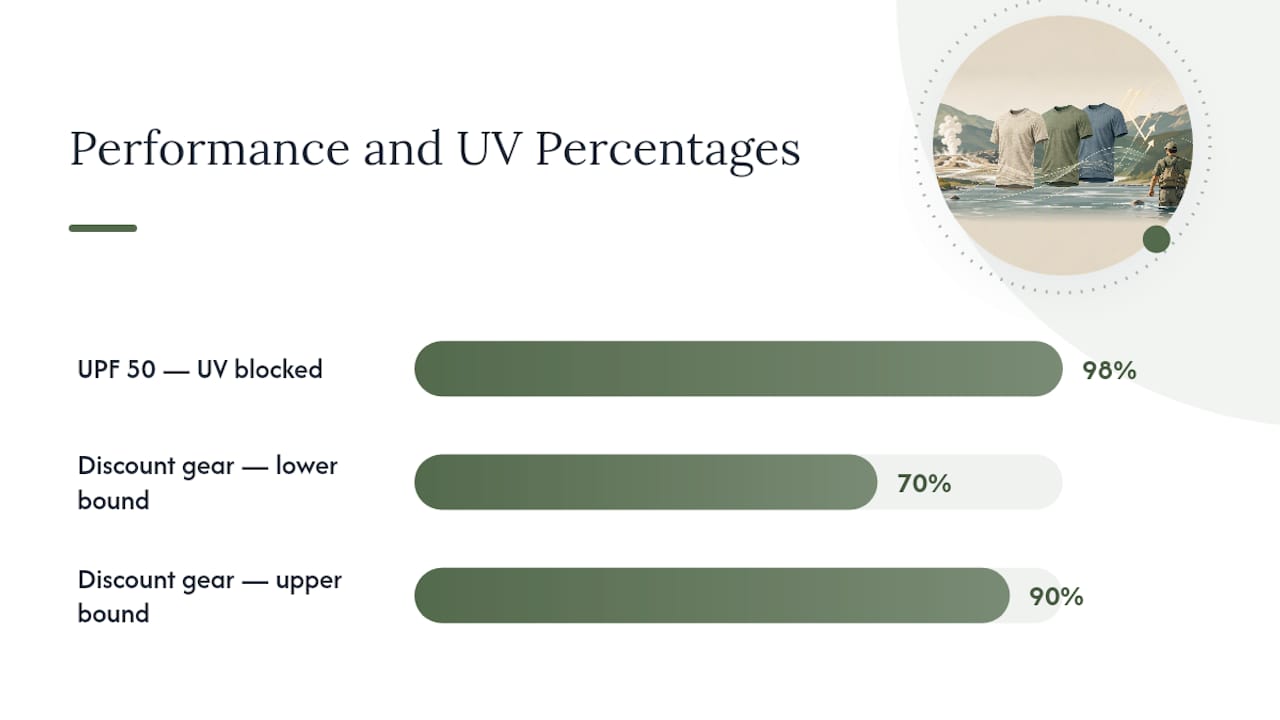
UPF matters more than people assume. A fabric rated UPF 50 blocks about 98% of UV radiation, which is a meaningful jump over an untreated cotton tee that offers closer to UPF 5. If you’re spending full days on the water, a UPF-rated hoodie layered over your tee during peak sun hours does real work.
Blank fabric changes how the shirt ages.
- Comfort Colors blanks are garment-dyed, already soft, and get better with washes instead of stiffening up.
- Bella+Canvas blanks run a bit more fitted and hold color slightly brighter since they’re dyed before cutting, not after.
- Both outperform basic ringspun cotton from fast-fashion suppliers, which tends to pill within a few washes.
Print type affects how long the graphic survives. Pigment and discharge prints soak into garment-dyed fabric and move with it, so they crack far less than a thick plastisol print sitting on top of cheap cotton. DTF and DTG prints look sharp out of the package but can show wear faster on low-quality blanks.
Sizing rules of thumb: size up if you plan to layer a base shirt underneath regularly, and check sleeve length against your forearm rather than just chest size, since garment-dyed shirts sometimes run a touch shorter in the body.
On budget: discount athletic wear can cover roughly 70 to 90% of the performance you’d get from premium fishing-specific gear, especially for basic moisture management. Where it falls short is in features like vent panels and rod loops, not comfort. That’s fine for a casual layer. For the piece you’ll actually be seen in, a garment-dyed tee is worth the extra cost.
Caring for a Garment-Dyed Tee (and Easy Gift Ideas)
A garment-dyed tee rewards a little care. Wash it cold, turn it inside out first to protect the print, and either air-dry it or tumble on low heat. Skip the fabric softener, since it builds up on the print over time and dulls the graphic.
This is also why these shirts age so well compared to a standard printed tee: the dye already sits deep in the fabric, so a few washes just soften it further instead of fading it out unevenly.
If you’re shopping for someone else, a few pairings work every time:
- Yellowstone tee + enamel mug, for the person who’s out the door before coffee finishes brewing.
- Yellowstone tee + embroidered sweatshirt, for layering once the trip’s over.
- Yellowstone tee + insulated lunch bag, for the angler who packs their own breakfast at 4 AM.
Most tees in this style run in a moderate, everyday range rather than luxury pricing, and checking the sale collection periodically turns up discontinued prints and past-season colors at a lower cost.
Why We Build Every Shirt Around the First Cast of the Day
We started First Rise Outfitters around a simple idea: the best part of any trip is that quiet stretch before the sun clears the treeline, when the water’s still and the fish are just starting to feed. Every badge tee we print, whether it’s brook trout, cutthroat, or the Yellowstone River artwork, gets hand-designed first and printed second, on garment-dyed Comfort Colors blanks that already feel broken in.
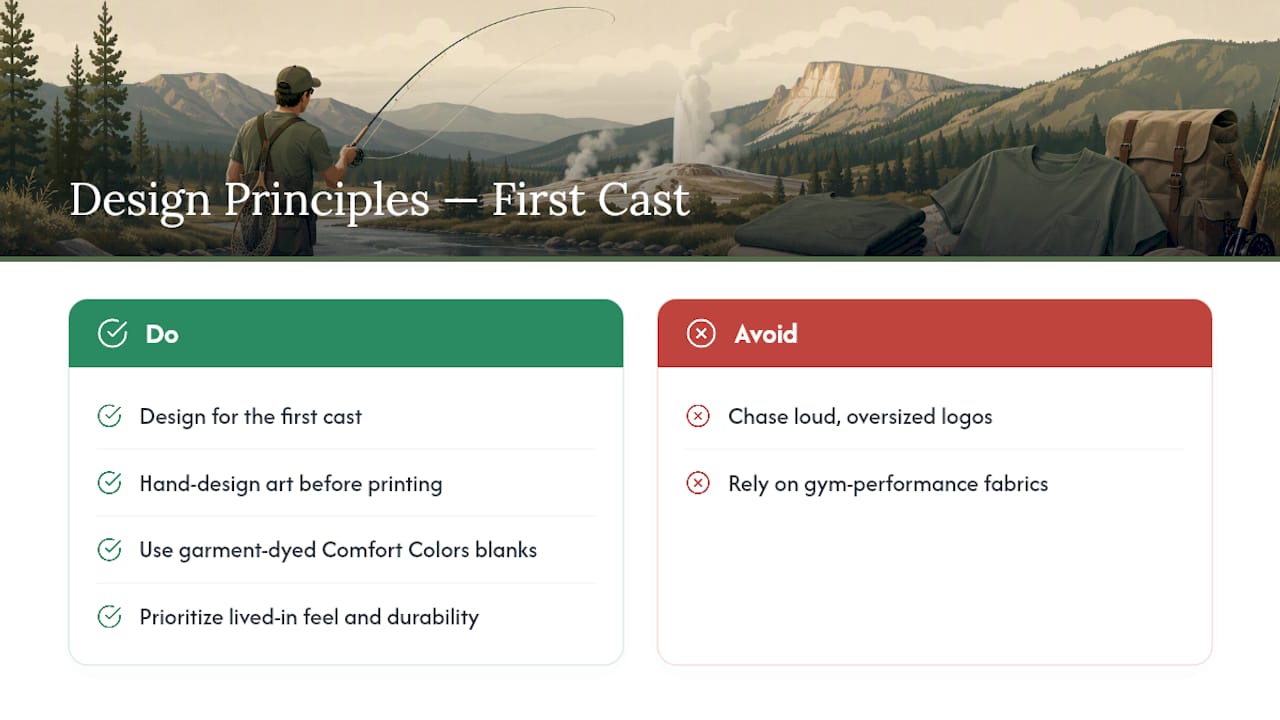
We’re not chasing loud logos or gym-rat performance fabric. We’re making shirts that look right on a tailgate at 5 AM and hold up through a hundred washes after that.
— Bobby
Ready to Build Your Yellowstone Outfit?
Some retailers offer designs that actually look like Yellowstone, not just another park logo slapped on a blank. The Yellowstone River Co. Fishing T-Shirt is the fastest way to get that anchor piece into your closet.
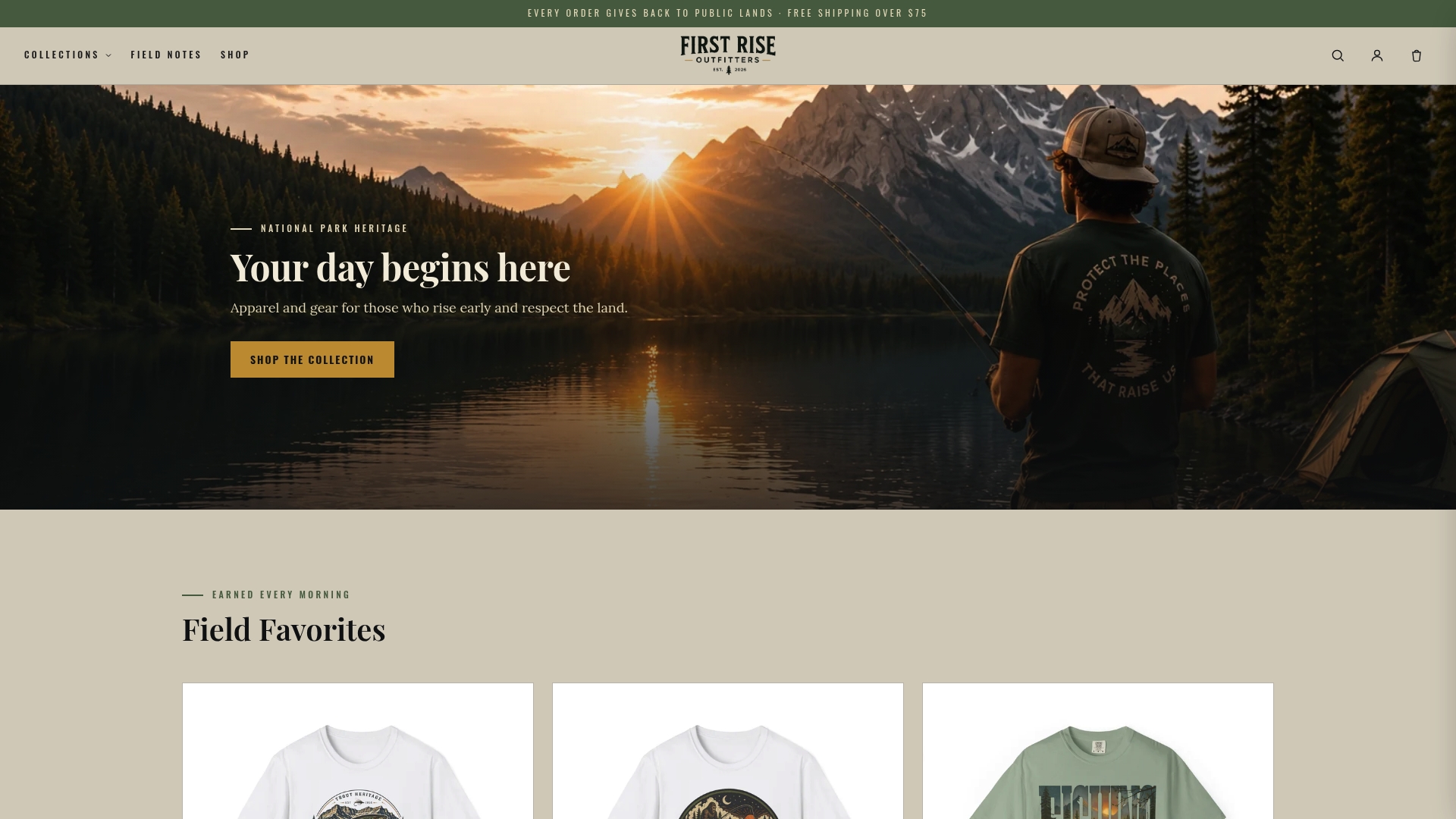
If you want more options built around the same river-inspired palette, the Trout Heritage collection covers species-specific designs from brook to cutthroat, and the National Parks lineup rounds out a trip wardrobe beyond Yellowstone alone. Check the Sale collection too, since past-season prints show up there at a lower price point. Pick your tee, add it to your cart, and you’ll have your Yellowstone outfit sorted before your next early start.
Sources
- What to Wear Fishing: Complete Clothing Guide for 2026
- What to Wear Fly Fishing: A Complete Guide | NRS
- What Should You Wear When Fishing? A Guide To Sun-Safe, Breathable Clothing - The DailyMoss
- What to wear for fishing fun | Bassmaster