
Tailwater Meaning: 4 Release Types That Change Fishing and Safety
By Bobby Harris — Navy FMF Corpsman (2002–2010), founder of First Rise Outfitters
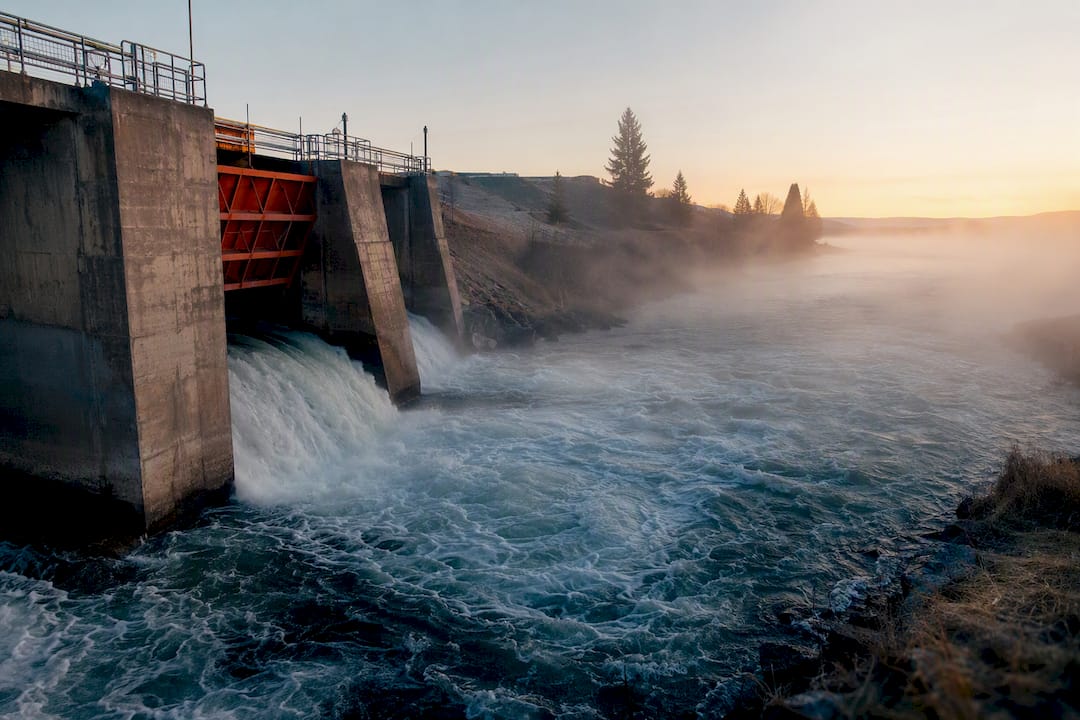
Tailwater is the reach of water immediately downstream from a hydraulic structure like a dam, spillway, culvert, or bridge, and it’s usually described by its average depth in that stretch. In agriculture, the same word means something different: excess irrigation runoff draining off a field. Both meanings matter if you’re planning a fishing trip below a dam or designing a culvert crossing.
TL;DR:
- Tailwater is the water immediately downstream of a dam or hydraulic structure, and its stage reflects actual river conditions, distinct from reservoir levels.
- Bottom-draw dams produce cold, stable tailwaters ideal for trout, while surface-draw dams create warmer, more variable downstream water.
- Hydroelectric releases can cause sudden tailwater level changes, requiring anglers to check schedules and current conditions before wading in.
- Tailwater flow conditions are influenced by control methods like hydropeaking, which can raise water levels with little warning and create hazards.
- In agriculture, tailwater refers to excess irrigation runoff that can be reused through recovery systems, reducing water waste.
Table of Contents
- Tailwater Meaning: How It Differs From Headwater and Tailrace
- Bottom-Draw, Surface-Draw, Culvert, and Spillway Tailwaters
- Why Tailwater Behavior Shapes the Water You’re Standing In
- Fishing a Tailwater Safely: What to Watch Before You Wade In
- Reading Gage Data: Stage, Elevation, and Discharge Explained
- Tailwater in Agriculture: Runoff and Recovery Systems
- Quick Glossary of Tailwater-Related Terms
- Why We Think Every Early-Rising Angler Should Know This Term
- Gear Built for Mornings Below the Dam
- Sources
Tailwater Meaning: How It Differs From Headwater and Tailrace
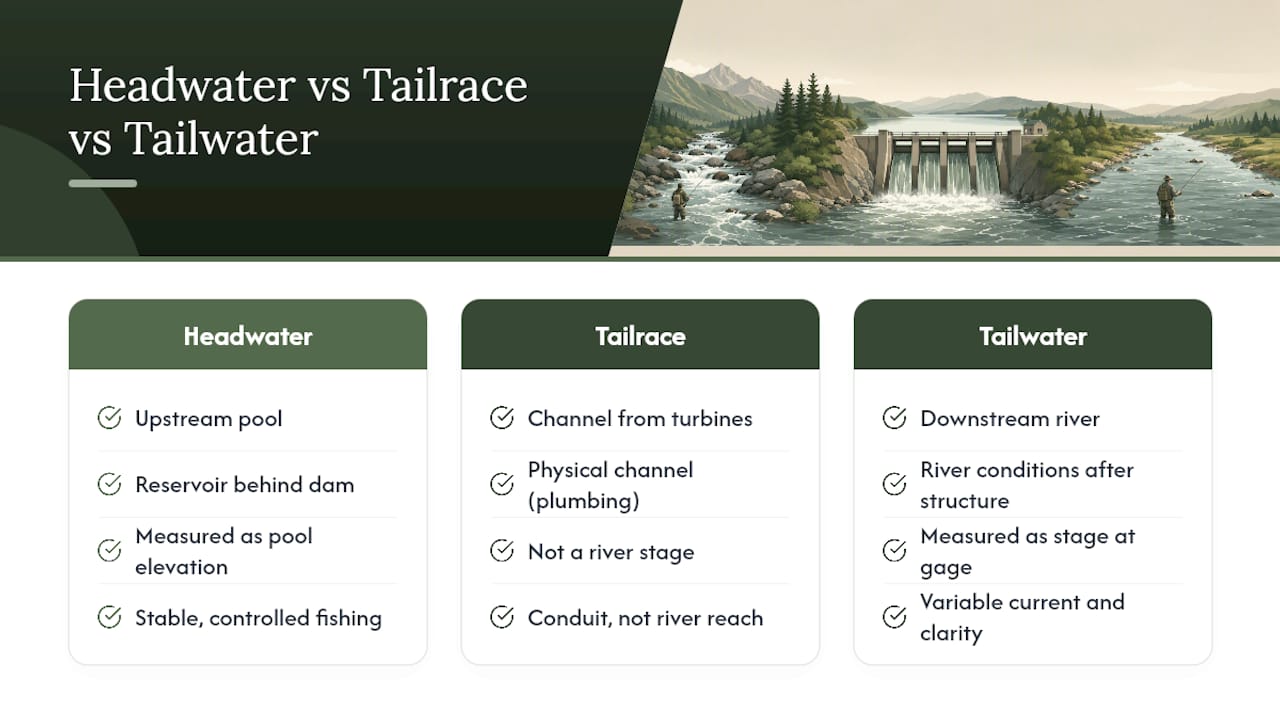
Here’s where a lot of confusion starts. Headwater refers to the pool or reservoir sitting upstream of a structure, the water backed up behind the dam. Tailwater is everything downstream of that structure, where flow has already passed through the gates, spillway, or turbines. Some hydropower facilities also use the term tailrace, which is the specific channel that carries water away from the turbines before it joins the broader downstream river. Tailrace is really just the plumbing; tailwater is the resulting condition in the river itself.
Engineers measure tailwater as a stage, meaning the water surface elevation at a fixed point downstream, tracked with a gage. This reading tells you the actual depth and behavior of the river below the structure, which is a completely different number from the reservoir’s pool elevation upstream.
That distinction has real consequences. A reservoir angler trolling the pool above a dam is fishing a relatively stable, controlled body of water. An angler wading below that same dam is fishing a reach where depth, clarity, and current can shift within minutes depending on what the operator is doing with the gates. The Lake Insights tailwater glossary makes this point directly: anglers below dams watch tailwater current and clarity, while reservoir anglers watch pool stage. Same dam, two entirely different sets of conditions to read.
Bottom-Draw, Surface-Draw, Culvert, and Spillway Tailwaters
Not all tailwaters behave the same way, and the difference usually comes down to where the water gets pulled from before release.
- Bottom-draw dams pull water from deep in the reservoir, which tends to be cold year-round. This produces the classic cold, stable tailwater that trout thrive in, even in summer heat.
- Surface-draw dams release warmer surface water, so the downstream tailwater runs closer to ambient river temperature and fluctuates more with the seasons.
- Culverts and bridges generate a localized tailwater condition where the depth just downstream of the opening controls how the structure flows, a detail engineering guidance on culvert design treats as a critical input, not an afterthought.
- Scheduled hydropower or flood-control releases can create a tailwater that swings dramatically over a single day, independent of anything happening upstream.
Why Tailwater Behavior Shapes the Water You’re Standing In
A tailwater doesn’t behave like a natural, unregulated stretch of river, and that difference cuts both ways depending on what you value.
Steady releases smooth out the wild flow swings you’d normally see from spring runoff or storm events. That consistency stabilizes channel hydraulics: the same current pattern shows up day after day, which is exactly why so many productive trout tailwater fisheries exist below bottom-draw dams. Lee’s Ferry on the Colorado River is the textbook case, where cold, steady bottom releases and nutrient-rich water create trout habitat that a natural freestone stream in the same climate simply couldn’t sustain.
The trade-off is real. Flow stabilization that benefits trout often comes at the expense of near-shore dynamism. Natural rivers depend on periodic flooding to scour gravel, redistribute sediment, and refresh the habitat that supports a diverse macroinvertebrate community. A regulated tailwater loses much of that variability, and the insect diversity along the banks tends to narrow even as the trout fishery downstream thrives. You’re essentially trading a wilder, messier ecosystem for a more predictable, single-species-favoring one. Bottom-draw releases stabilize temperature and support strong trout numbers, but they reduce the natural flooding dynamics that a freestone stream relies on for broader biodiversity. That’s the core tailwater vs freestone trade-off anglers and biologists both wrestle with.
Fishing a Tailwater Safely: What to Watch Before You Wade In
Tailwaters can be some of the most consistently productive trout water around, but only if you respect what’s controlling them.
Cold, stable bottom-draw releases keep dissolved oxygen high and temperatures in a trout’s comfort zone for most of the year, which is why so many tailwater sections hold fish at densities a freestone stream can’t match. But the same dam that stabilizes your fishery can also turn dangerous fast. Hydropeaking, the practice of ramping power generation up and down with electricity demand, can raise the tailwater stage by a foot or more in a short window with almost no warning at the water’s edge.
- Check the release schedule before you go. Most dam operators publish generation schedules, and gage data is often available through the USGS or the operator directly.
- Read current and clarity on arrival, not just depth. A tailwater that looks calm can still be carrying a pulse of rising water from upstream.
- Position on stable ground, avoiding gravel bars or channels that could flood quickly if the operator opens gates.
- Watch current seams where colder, clearer tailwater mixes with warmer tributary or side-channel flow. Trout stack up right on that edge.
Pro Tip: If you notice the current picking up speed or the water clouding slightly with no rain in the forecast, that’s often the first visible sign of a scheduled release starting upstream. Get to stable footing before checking your phone.
For casting and positioning tactics once you’ve read the water safely, First Rise Outfitters’ fly fishing tips for beginners covers the fundamentals that apply just as well below a dam as anywhere else.
Reading Gage Data: Stage, Elevation, and Discharge Explained
Tailwater conditions get reported through a handful of specific measurements, and knowing what each one actually tells you keeps you from misreading the river.
- Stage is the water surface elevation at a fixed gage location, the number that changes minute to minute as flow shifts.
- Tailwater elevation is that same stage reading, specifically applied to the reach just downstream of a structure.
- Discharge is the volume of water moving past a point, usually in cubic feet per second, and it’s what actually drives stage up or down.
One quirk trips people up constantly: the reservoir pool can look completely stable while the tailwater gage downstream is climbing fast. That happens because operators control releases and routing independently of pool elevation, so the two numbers don’t always move together. Always check the tailwater gage specifically, not just the reservoir report, before you commit to a spot.
Tailwater in Agriculture: Runoff and Recovery Systems
Away from dams entirely, farmers use “tailwater” to describe excess irrigation water that runs off the end of a field instead of soaking in. It’s the same physical idea, water leaving a system downstream, applied to a furrow instead of a river channel.
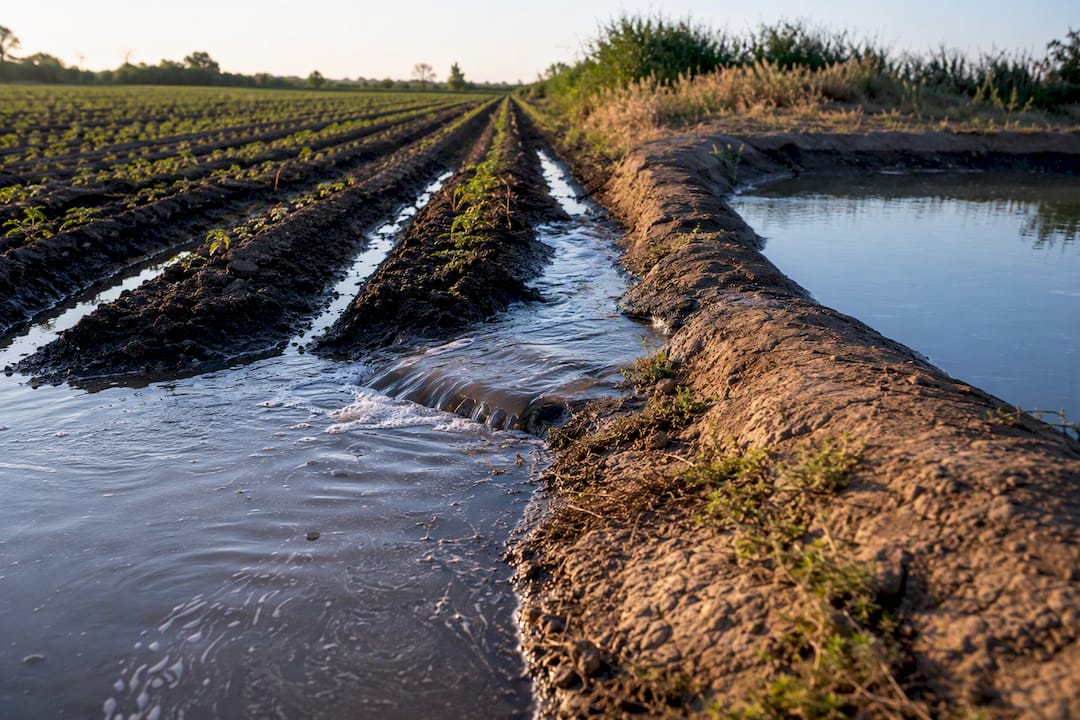
Tailwater recovery systems capture that runoff in a pond or pit and pump it back into the irrigation supply rather than letting it drain away and go to waste. These systems are a meaningful water conservation tool for row-crop operations, cutting withdrawal from wells or rivers by reusing what would otherwise be lost. It’s worth knowing this second definition exists so you’re not confused if you see “tailwater” in a farming context and expect it to mean something about dams.
Quick Glossary of Tailwater-Related Terms
- Headwater: the pool or reservoir upstream of a structure
- Tailrace: the channel carrying water away from turbines specifically
- Hydropeaking: rapid, scheduled flow changes tied to power demand
- Stage: water surface elevation at a gage
- Discharge: volume of flow, typically in cubic feet per second
- Tailwater elevation: stage measured specifically downstream of a structure
Why We Think Every Early-Rising Angler Should Know This Term
Understanding tailwater meaning changes how you plan a trip. If you know a stretch runs on bottom-draw releases, you know it’ll fish cold and stable even in August, which is exactly the kind of water worth setting an alarm for. Checking a release schedule before you wade in isn’t just a safety habit, it’s also a conservation habit: staying off vulnerable near-shore zones during a scheduled rise protects the same insect life that keeps a tailwater fishery healthy long term. That’s the kind of quiet respect for the water that separates anglers who show up prepared from anglers who get surprised by a rising gage.
— Bobby
Gear Built for Mornings Below the Dam
Tailwater trips start early, often before the operator even opens the gates for the day, and that means cold hands, damp air, and a long wait for good light. First Rise Outfitters makes garment-dyed tees built for exactly that kind of morning, no loud branding, just muted river tones and hand-drawn trout artwork that looks right whether you’re wading a cold tailrace or standing around a tailgate waiting for first light.

If you fish cold, tailwater-fed rivers for trout, the Rocky Mountain fishing tee captures that mountain tailwater aesthetic directly, and the fishing definition tee is a fitting nod for anyone who just spent ten minutes explaining tailwater to a fishing buddy. Browse the full lineup and grab one before your next dawn session below the dam.
Sources
- Tailwater - Wikipedia
- Tailwater glossary - Lake Insights
- What is the significance of tailwater level in culverts? - EngineeringCivil
- Tailwater recovery - SERA17 (NC State extension content)